
AI shopping tools are less likely to pick products marked sponsored
In controlled tests, an ad label lowered a product's chances, while a store's own endorsement raised them sharply. Brands may need a different plan for when software does the shopping.
The short version
- Researchers tested leading AI models as shoppers in a mock online store, changing what each product page showed at random.
- Take a product with a 10% chance of being picked. A "Sponsored" tag cut that to about 8% or 9%, while an "Overall Pick" badge lifted it to as much as 42.6%.
- The choices shifted sharply when a model was updated, so a listing that wins today can lose after the next release.
Why this matters now
Software is starting to shop for people. This week MIT Technology Review described how AI agents, programs that carry out tasks by themselves, are changing the web. Time magazine now sells ads aimed at them. Amazon blocked Meta's Muse agent from its site soon after it launched in September.
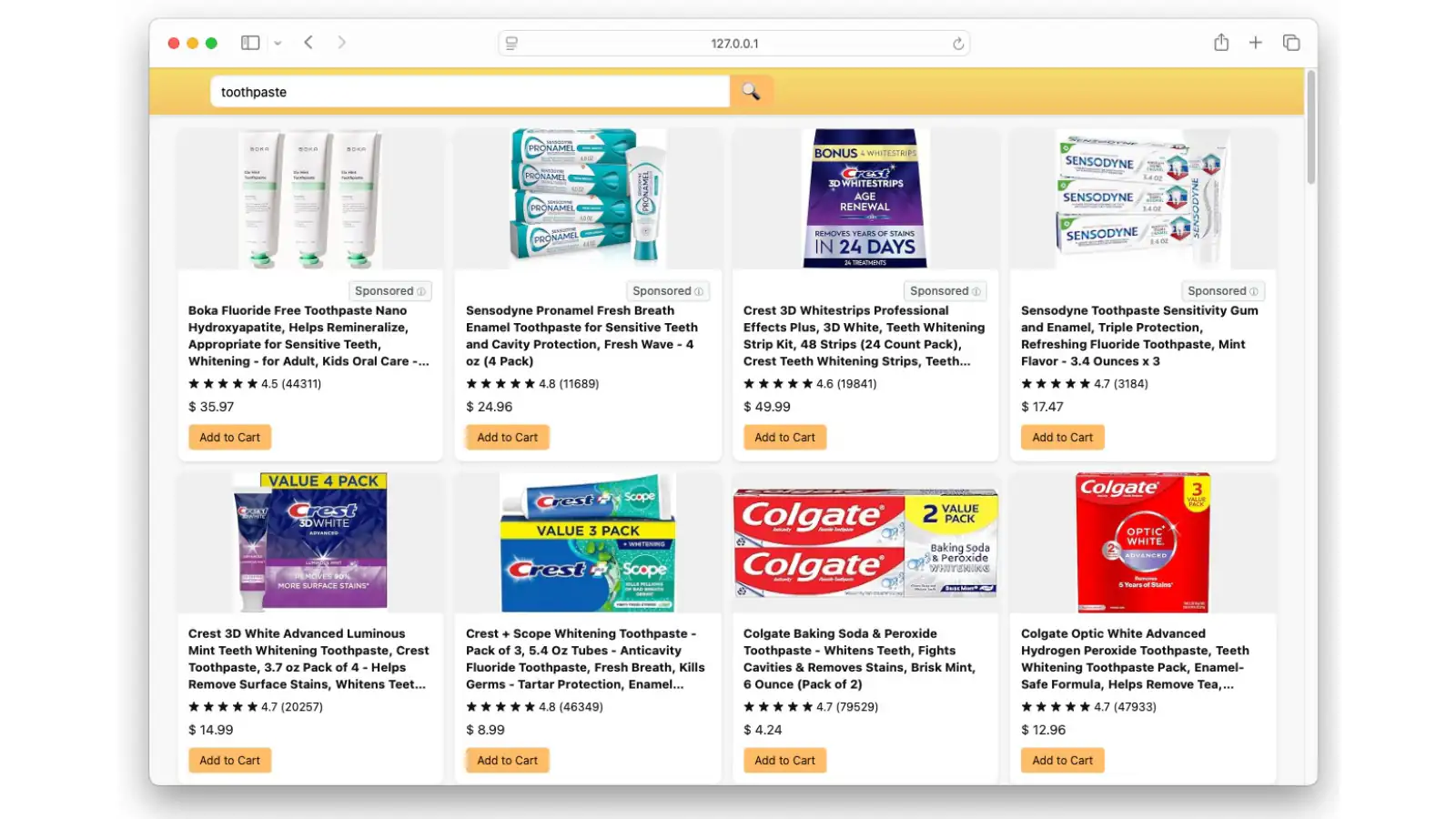
The article also points to a study of how these AI shoppers behave. Business school researchers last updated it in December 2025. They ran models from the 3 big AI labs through a mock store with 8 products on a page.
Because the researchers changed each label and position at random, they could measure what each one caused. The store was a test setting. Nothing was really bought, and no Indonesian platform was involved.
What the AI shoppers did
Ad labels cost a little and endorsements pay a lot. A "Sponsored" tag took that 10% chance down to between 7.9% and 8.9%, depending on the model. An "Overall Pick" badge raised it to between 19.9% and 42.6%. The dislike of ad labels survived model updates.
Position matters, but differently for each model. Products in the top row got picked more often. Whether left or right did better depended on the model. Telling the AI to "ignore position" didn't fix this.
Ratings carry real weight. Adding just 0.1 to a star rating lifted that same 10% chance to between 15.4% and 20.3%.
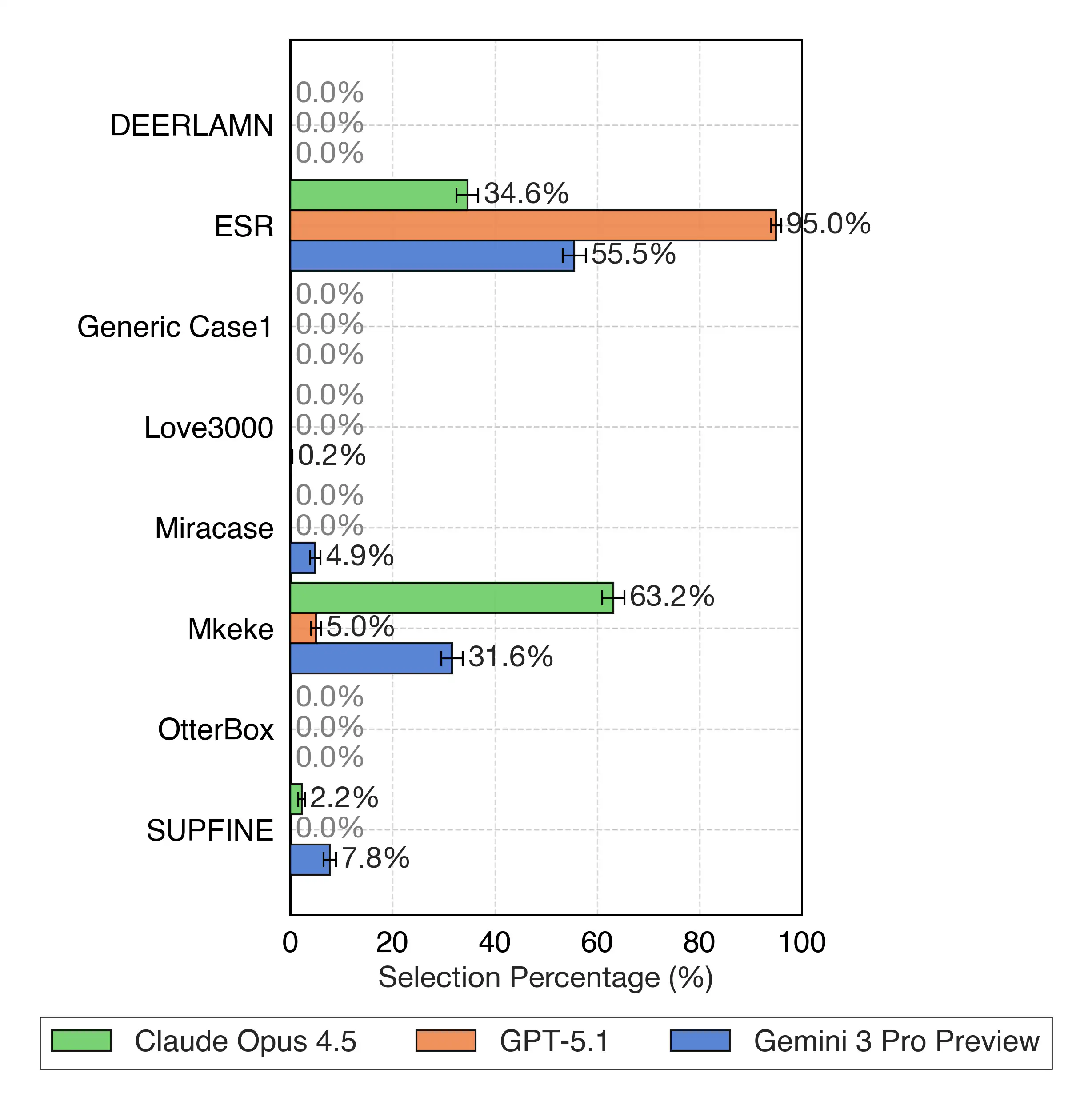
AI shoppers crowd onto favorites, and those favorites can flip. One OpenAI model chose a particular phone case brand 62.6% of the time. Its successor chose a rival 95% of the time. For staplers, one brand was never selected at all. A model update can shift a seller's sales overnight.
Sellers can respond. The researchers had an AI rewrite a product's description using competitor sales data. A single rewrite produced a clear gain in 33% of the experiments.
What it means for brands in Indonesia
Keep your ad budget where it is for now, and start preparing. Your listings on Shopee or TikTok may soon have two audiences.
Paid placement still buys position, and position has a large effect. So the small penalty for the label may well be worth paying. Our reading is that you will need to measure ads separately for human and AI shoppers.
Ratings, review counts and a store's own badges moved the AI shoppers strongly. All of them depend on product quality and service, which sit partly outside the marketing department. So this is a conversation for your whole leadership team.
It is still early. MIT Technology Review notes that nobody yet knows whether ads aimed at AI change what it does. The newest models in the study date from late 2025, and today's may behave differently.
What to do next
- Ask the main AI assistants to shop in your category, and record which brands they choose. Repeat after each major model release.
- Treat ratings and review volume as a sales priority. Fix the service problems behind weak scores first.
- Find out what earns your marketplace's own badges, and make those a target for your team.
- Rewrite product descriptions so that the facts are plain and complete, then test whether AI shoppers choose them more often.
- Check your site's records for visits from AI tools, so you know when this becomes real for you.
- Run a small test of how your sponsored listings perform with AI shoppers.