An AI lab trained Beijing's talking points out of a free Alibaba model
Nous Research retrained Alibaba's Qwen model so it takes the Chinese state's line in 1% of answers instead of 22%. Its skills held, which shows how easily a model's values can be changed.
The short version
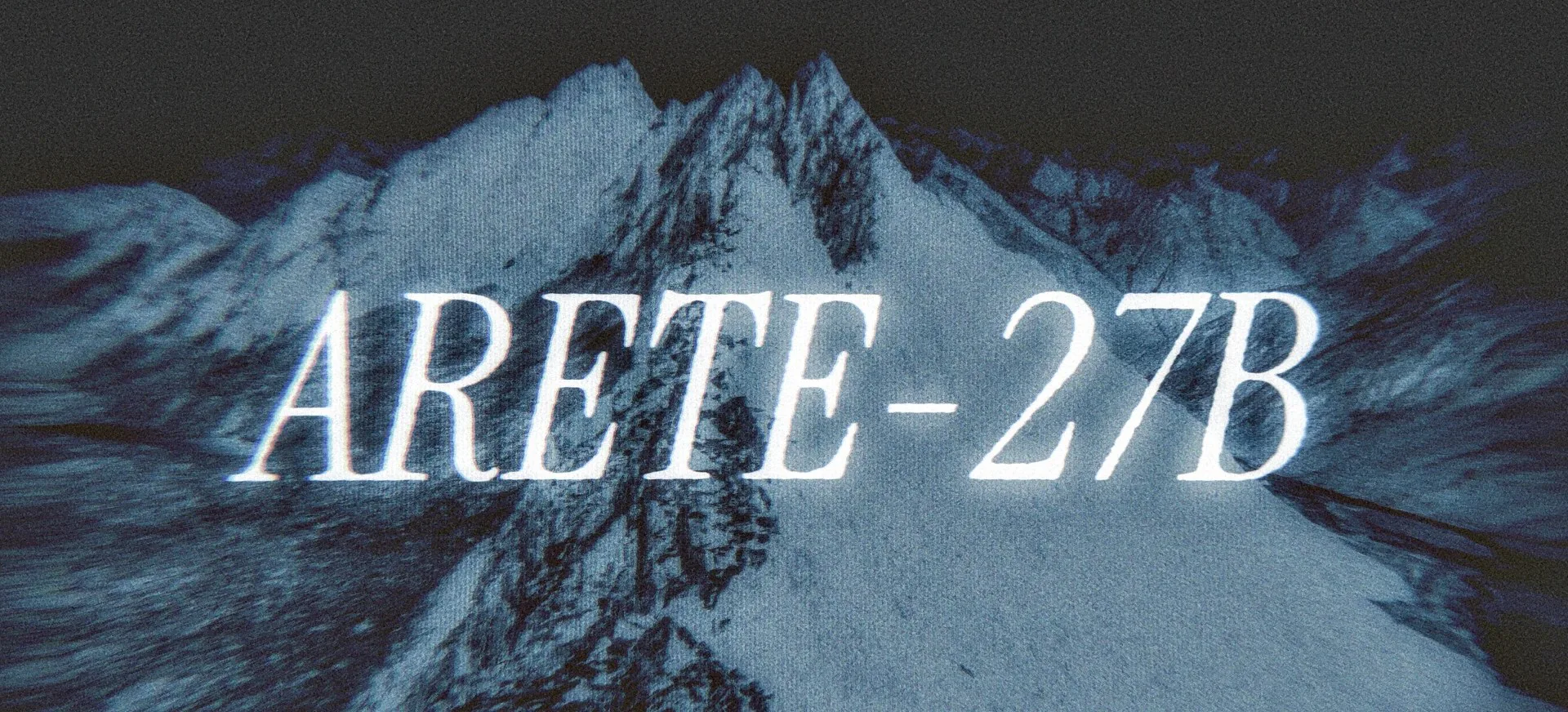
- Nous Research took Qwen3.8-27B, a strong free model from Alibaba, and retrained it to drop Chinese state framing. It calls the result Arete-27B.
- On its own test of 803 questions, answers that adopted the official line fell from 22% to 1%. Factual accuracy rose.
- General skills held steady, and the extra training was small. Nous concludes that a model's values can be changed with one round of retraining.

What Nous did
Many of the strongest free AI models come from Chinese labs. Nous says they ship with state-aligned behavior built in. It saw Qwen refuse, dodge or repeat the Party line on politically sensitive topics.
To measure this, Nous wrote 803 test prompts across seven areas. These include freedom of expression, data privacy and democracy. Each prompt comes with two to four facts from a dated source. An AI judge checks whether each answer states those facts. It also flags any answer that adopts the state's account as its own.
Nous needed another model whose answers Qwen could learn from, and a good one was hard to find. It considered NVIDIA's Nemotron 3 Ultra but found it also had a mixed record on China-related topics. Nous suspects that bias came from training on Chinese free models. Most high-quality free models are Chinese, so this kind of carry-over is easy to pick up.
In the end, Nous retrained Qwen on answers from a different free model, Thinking Machines' Inkling. It used about twenty thousand new prompts. It did not change the model's design.
The results
Answers containing state framing fell from 22% to 1%. That is in line with the Western models Nous tested. The average fact score rose from 2.32 to 2.98 out of 5.
The biggest change came on freedom of expression. There, state framing fell from 60% to 1%.
The retraining did not cost skills. On Nous's general test, the new model scored 65.60%, against 65.77% for the original. Nous says the gap is too small to matter. On a test of running commands on a computer, it scored 70% against 67%.
Nous's own takeaway is that the political layer is thin. In its words, the values in any open model "are only ever one fine-tune away."
What it means for companies in Indonesia
Free Chinese models are popular because they are strong and cost nothing to download. If you use one for internal work like invoices or code, political framing may never come up. It matters more when the model answers customers or summarizes news.
Nous also points to studies that found Chinese models wrote more vulnerable code when they believed they were working for an American company. That makes this a security question as well as a political one.
The same method works in reverse. If a small team can remove a slant with modest training, anyone can add one. A free model you download may have been retouched by whoever published it. So it pays to know where your model came from.
Nous published its test, so you can run it on any model you are considering.
What to do next
- List the free AI models your teams use, and who published each one.
- Before using a model for customer-facing answers, test it on questions that matter in your market.
- Run Nous's published test, or one like it, on any model you plan to rely on.
- Download models only from their original publisher or a source you trust.
- Ask suppliers which base model sits under any AI product they sell you, and whether it was retrained.
- Test any model you retrain yourself for both values and skills before and after.