
Canadians can now fill a grocery basket and pay by chatting with Meta's AI
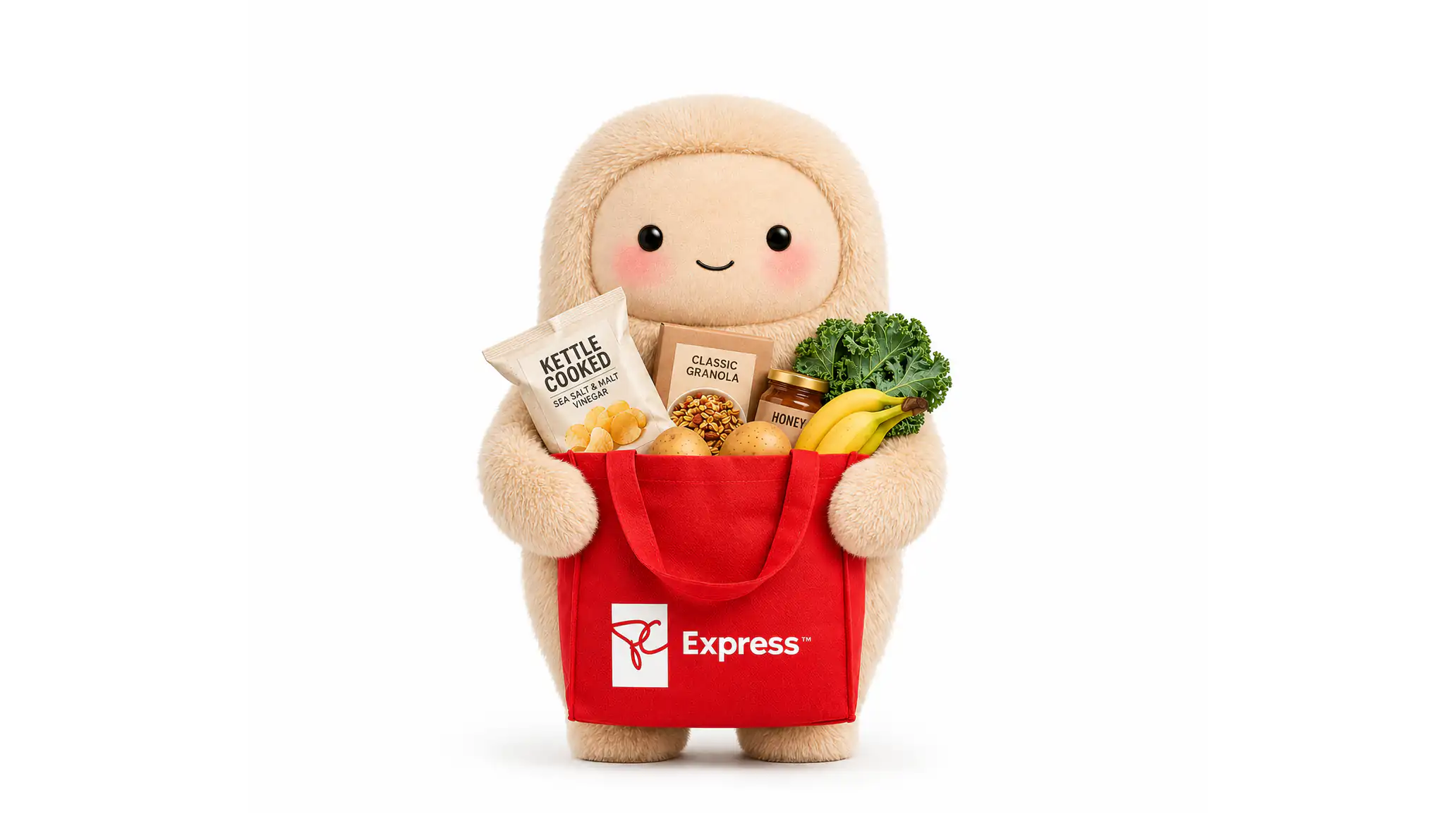
Canadian grocer Loblaw has put its catalog inside Muse, Meta's personal AI assistant. Shoppers plan meals, build a basket and check out without opening the grocer's own app.
The short version
- Loblaw has connected its catalog to Muse, Meta's personal AI assistant, the first Canadian retailer to do so.
- Shoppers can plan meals and fill a basket inside Muse, then check out with participating Loblaw stores.
- Muse remembers brand preferences and food allergies, and it asks before it makes a purchase.
What Meta announced
On 18 November, Meta said Loblaw is bringing its catalog to Muse as a "partner connector". A connector is a link that lets Muse use another company's service on your behalf. Muse already connects to Gmail and Google Calendar, among other apps.
With the Loblaw connector, a Canadian shopper can ask Muse to plan the week's meals. Muse then builds the basket from Loblaw's products and takes the shopper through checkout at one of Loblaw's participating store chains.
Muse keeps track of what you like. It can remember that you buy a certain brand, or that someone at home has a food allergy. Next week's plan starts from there.
Meta also rolled out voice in the Muse app in Canada, so shoppers can talk to Muse instead of typing. It added "spaces", small custom tools you describe in plain words, such as a gift tracker or a planning board. Spaces update themselves in the background, so a price change can show up without the user asking.
What is actually new
A grocer has handed its catalog to an assistant that sits outside its own app and website. Meta calls connectors like this a big reason Muse can do so much. Each new partner adds something the assistant can do for the user.
That changes who the shopper talks to. The conversation and the meal plan live in Muse. So does the memory of what the family likes. The grocer supplies the products and fills the order.
Meta also built in a check before anything is paid. Muse runs on what it calls Muse Secure VM, a dedicated computer in the cloud. It stores the logins for connected services and keeps passwords and card details out of the assistant's view. You choose what Muse can reach, and it checks with you before sensitive actions such as sending an email or buying something.
What it means for brands and retailers in Indonesia
The Canadian launch is one retailer in one country. The pattern behind it is what matters for a brand or retailer here.
When a shopper asks an assistant to "plan dinners for the week", the assistant chooses the products. Your brand has to be in the catalog it can see, described well enough to be picked. Inside a chat, the shopper never sees your packaging or your shelf spot.
Memory raises the stakes. Muse remembers brand preferences, so the first time an assistant picks your product, it may keep picking it. The reverse is also true.
Meta's safety design doubles as a checklist for anyone selling through an assistant. The assistant should never see the card number. It should ask before it buys. And the shopper should choose what it can reach.
Retailers face a harder choice. A connector puts your range in front of shoppers where they already are. It also hands the shopper's conversation, and some of the relationship, to the assistant's owner.
What to do
- Check how your products are described in the data you give retailers and marketplaces. An assistant reads that text, not your ad.
- Make sure product data answers what assistants ask about, from allergens to pack sizes.
- If you run a retail platform, decide which AI assistants you would connect to, and on what terms for customer data.
- Track whether AI assistants recommend your products when asked for meal plans or shopping lists in your category.