
GoTo's open model reads Balinese and Batak Toba, and runs on 1 GPU
Built with AI Singapore on Google's Gemma 3, it covers 6 languages, so Indonesian companies can test regional-language AI without sending customer data abroad.
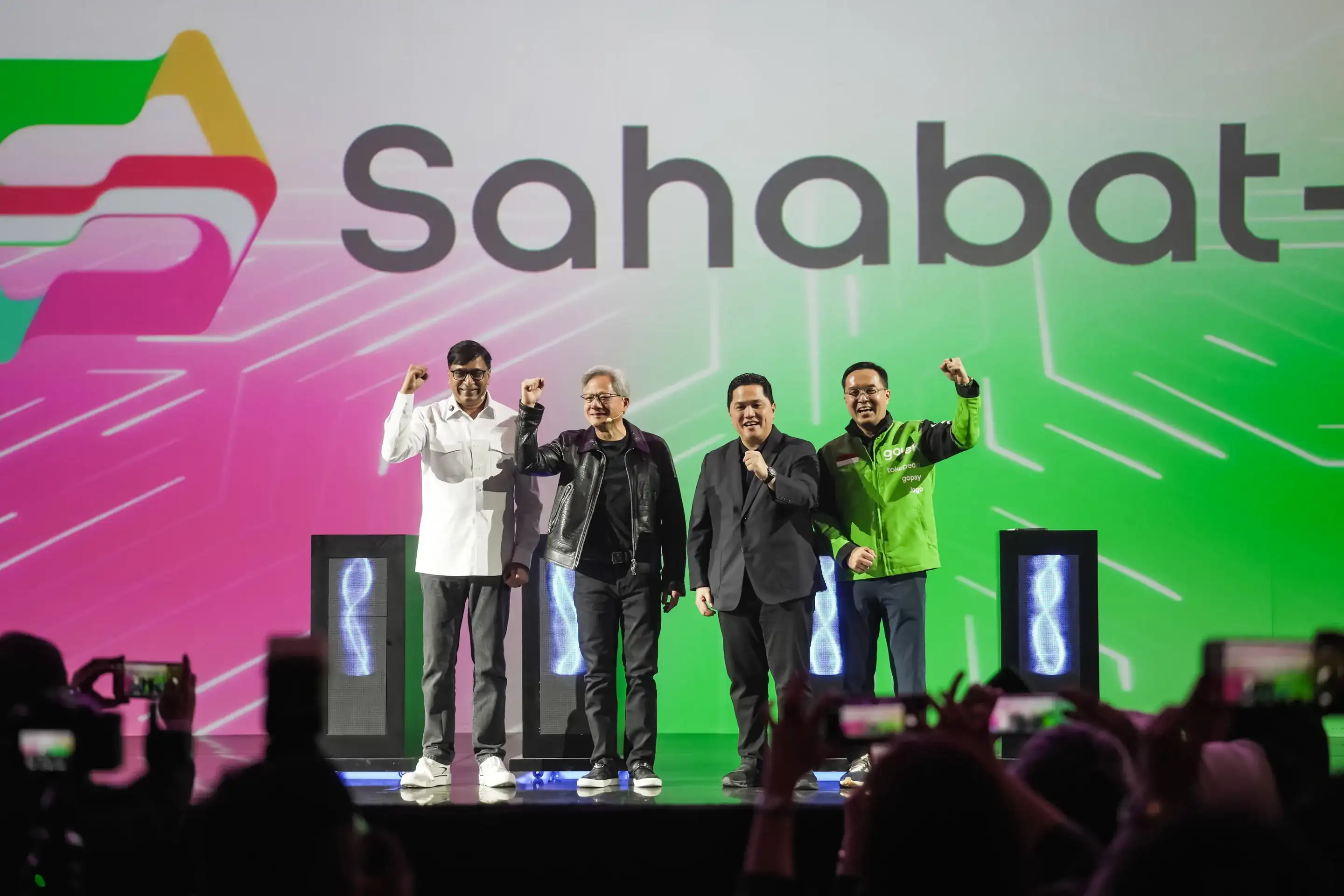
GoTo published a new open model on Hugging Face on October 19. It is called GoTo-AI-Gemma-3-27B-IT, and it was built with AI Singapore on Google's Gemma 3. The model card lists six languages: English, Indonesian, Javanese, Sundanese, Batak Toba and Balinese. It reads up to 128k tokens of context.
Most models handle Indonesian well enough now. Very few have been tuned for Batak Toba or Balinese, and fewer still come with weights you can download and run on your own hardware.
What GoTo released
This is an instruction-tuned model, the kind you put behind a chat window or an internal assistant. GoTo took Gemma 3, continued training it on Indonesian and regional-language data, then tuned it to follow instructions. It was evaluated on IndoMMLU, which tests school-exam knowledge of Indonesian language, culture and local subjects, and on SEA-HELM, a Southeast Asian benchmark covering translation, summarization, sentiment and reasoning. It was also tested on localized versions of two instruction-following benchmarks. The scores are on a public GoTo-AI leaderboard rather than on the model card.
GoTo says the 27B model needs roughly 54 to 60 GB of GPU memory at full precision, and suggests one 80GB A100, two L40S cards or three RTX 4090s. In other words, it fits on one server.
The license is Google's Gemma license, which carries use restrictions that Apache-style licenses don't. Read it before you build anything commercial on top.
How we got here
The line started in November 2024, when GoTo and Indosat Ooredoo Hutchison announced Sahabat-AI, an open Indonesian model ecosystem trained with NVIDIA's tools. It began with 8-billion and 9-billion parameter models. A 70B Llama-based version followed on Hugging Face in 2025. The new release moves to Gemma 3 and lists Batak Toba and Balinese alongside Javanese and Sundanese.
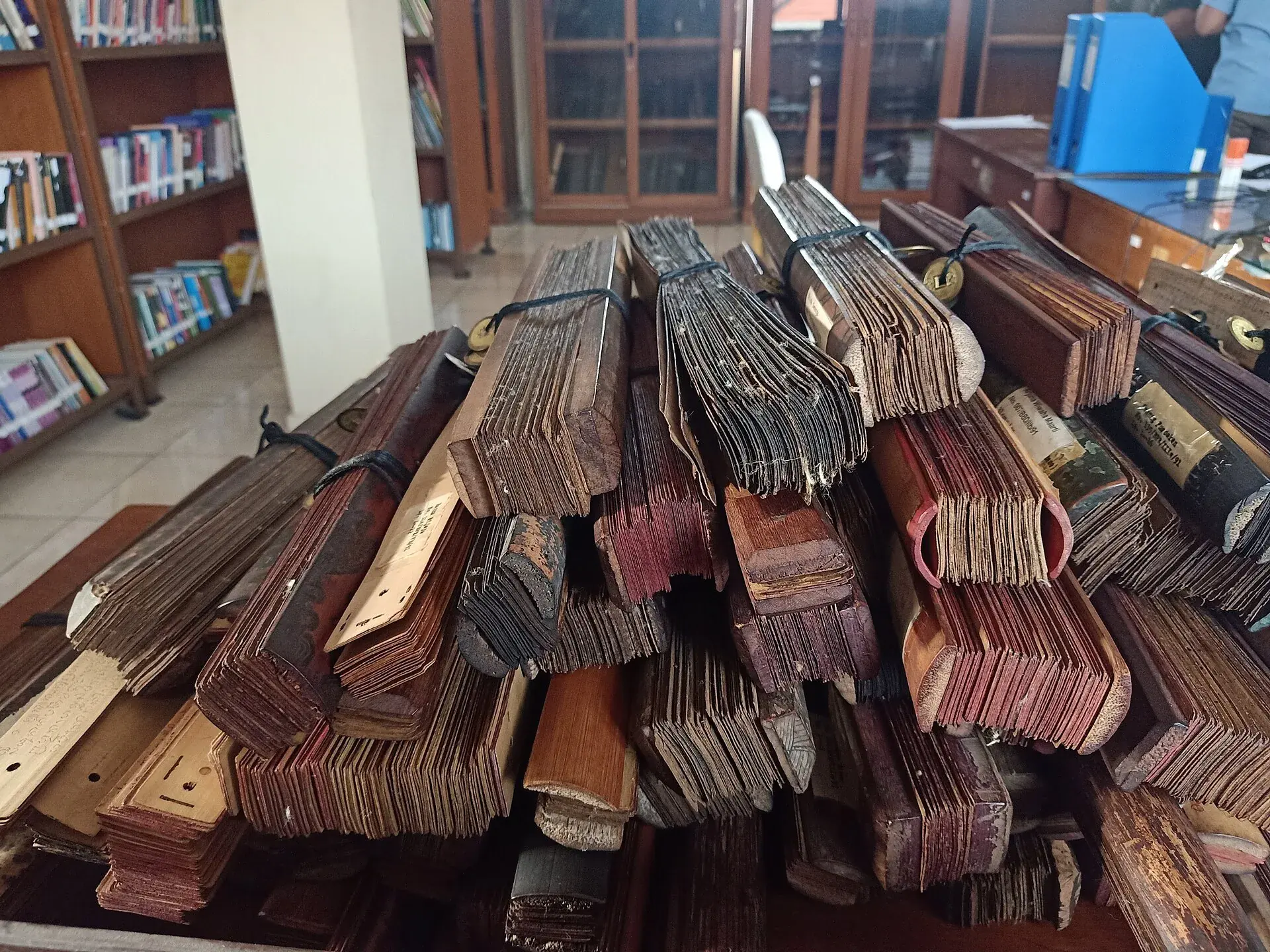
The model card names the University of Indonesia, Gadjah Mada University, the Bogor Institute of Agriculture, the Bandung Institute of Technology, Universitas Sumatera Utara and Udayana University among its collaborators. The last two, in Medan and Bali, match the two new languages.
What it changes for a business here
A model you host yourself never sends customer conversations to a foreign API. For a bank, or anyone else holding personal data under Indonesia's data protection rules, that answers the first question a risk review asks: where does the data go?
Regional languages also become workable. A customer in Medan or Denpasar may write in Batak Toba or Balinese. A model tuned on those languages can read and summarize those messages. Your own test will show whether it answers them well.
And the test is cheap: a single 80GB GPU is enough to try it against your own support tickets.
How to test it
Run a bake-off before you switch anything. Take a few hundred real messages from your contact center, including the regional-language ones your current system gets wrong. Run them through this model and through what you use today, and have native speakers score the answers. Check the Gemma license against your intended use, then decide.
GoTo's own disclaimer says the model is aligned only for general safety and that users should do their own safety tuning. Any customer-facing deployment needs guardrails and a way to hand off to a person, whichever model sits underneath.
Where this leaves Indonesian companies
Indonesia now has a home-grown model family that anyone can download, backed by GoTo and 6 Indonesian universities. Companies that need AI to understand how their customers actually write have less reason to wait for a global vendor to add Balinese.