
Serve Robotics now sells the tech that runs its 2,000 delivery robots
The US delivery-robot company is offering other robot makers the systems it uses to keep its own fleet connected and learning. A maker of self-driving construction machines is one of the first customers.
The short version
- Serve Robotics, which runs more than 2,000 delivery robots, launched Physical AI Services this month.
- It sells three things: a link that keeps robots connected, a tool that finds useful moments in robot data, and real-world sidewalk data.
- Bedrock Robotics, which builds self-driving systems for heavy construction machines, is among the first customers.
What Serve launched
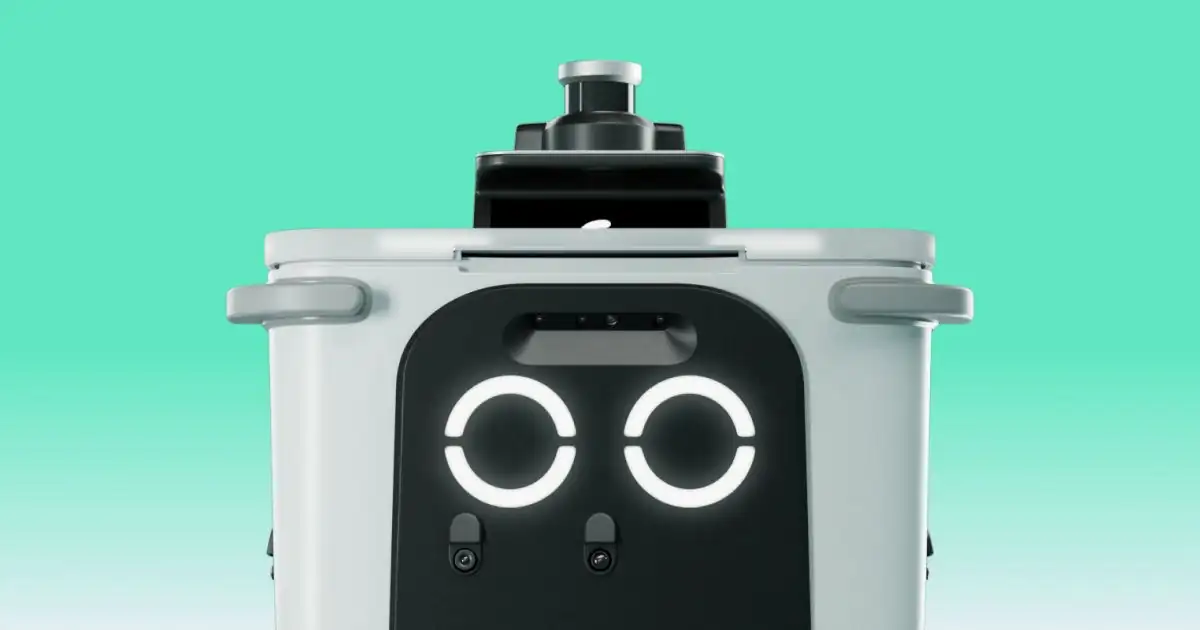
Serve builds and runs delivery robots. It has put more than 2,000 robots into service in more than 40 cities and 27 hospitals. To run that fleet, it built its own systems behind the scenes. It is now selling those to other companies building robots and self-driving machines.
There are three parts. Serve Link keeps machines in the field connected to the AI and monitoring systems in data centers. Serve says more of the thinking behind robots now happens in data centers, so that link has to be fast and dependable.
Serve Data Curator sorts through the flood of data a robot fleet records. It picks out the rare moments worth learning from, so engineers do not have to review everything.
The third part is a catalog of real-world data gathered by Serve's own sidewalk robots. It covers things like terrain and infrastructure. It helps AI models make sense of busy places where people walk.
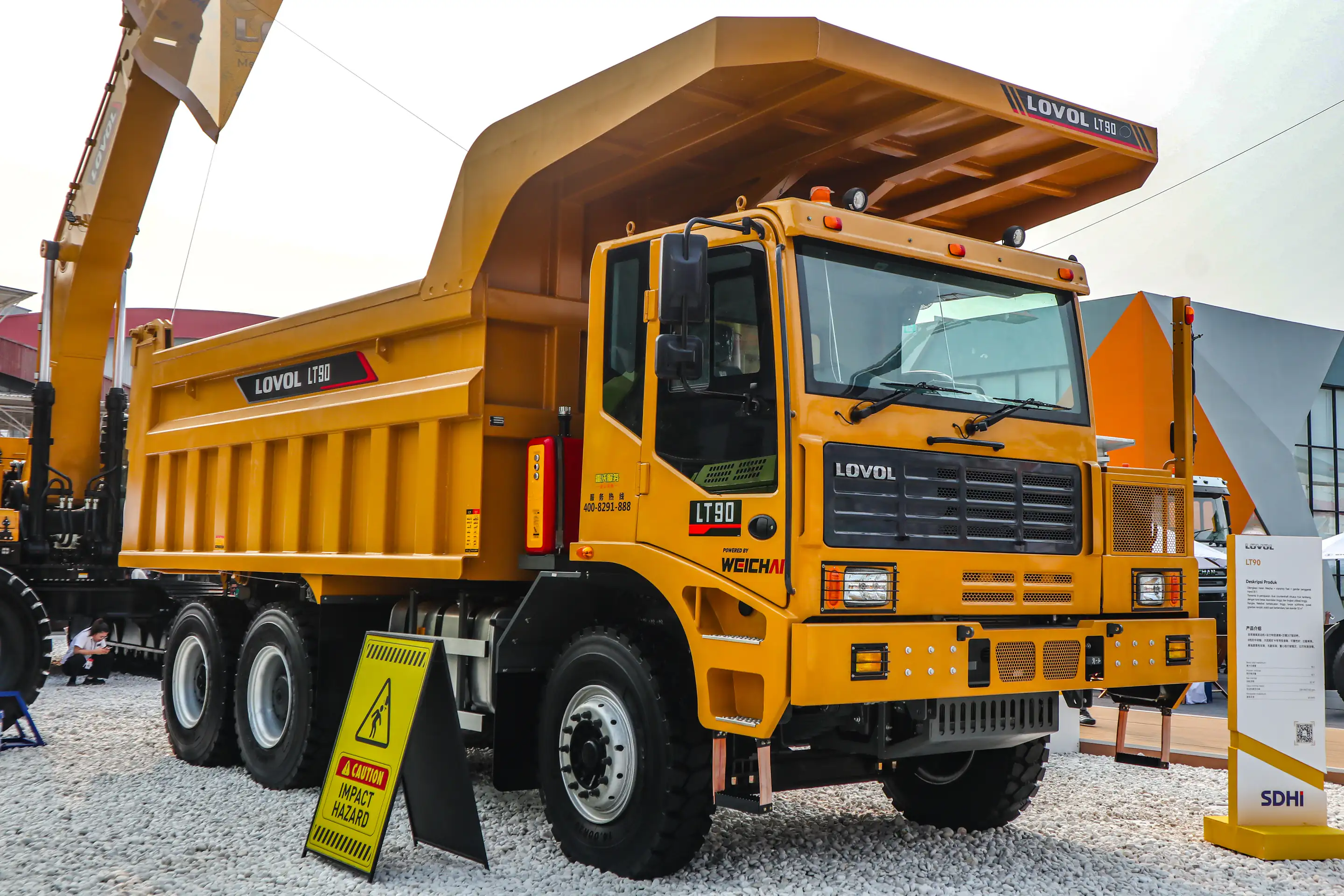
Serve says these services already run thousands of vehicles across a dozen industries, including construction, mining and autonomous trucking. Bedrock uses Serve Link to connect its machines over Wi-Fi, LTE, 5G and satellite networks.
Why Serve is doing this
Co-founder and CEO Ali Kashani says building a robot is only the start. Keeping thousands of them connected and improving takes another layer of technology. Serve wants other companies to buy that layer from it instead of rebuilding it.
Serve began as a spin-off from Uber in 2021. It now works in the US and Australia. Its robots reach a population of about 3 million and deliver for more than 4,000 restaurants. Earlier this year it bought Diligent Robotics, which makes service robots for hospitals.
What it means for Indonesia
Mining and construction are where this matters most for Indonesia. Self-driving trucks and machines on remote sites need a steady link back to their AI. Remote sites like these often rely on a mix of cellular and satellite connections. That is the job Serve Link does for Bedrock.
Companies can now buy more of the systems a robot fleet needs, instead of building them. A company testing robots in a warehouse or a mine may not need to build its own data and connection systems.
Serve has not said where these services are available. Its own robots work in the US and Australia today, so check before planning around it.
Robots record far more than people can watch. A tool that picks out the rare, useful moments helps a fleet improve faster.
What to do next
- If you run or plan robot pilots, ask how the machines stay connected on site and what happens when the link drops.
- Ask robot suppliers how they collect and sort field data, and who owns it.
- Before building your own fleet systems, check whether you can buy them instead.
- Start keeping records of unusual events in your operations now. They are what future AI systems learn from.
- Watch for services like this reaching Southeast Asia, and test whether they work on Indonesian networks.
- Ask any robot supplier what happens to your site data if you later switch to another supplier.