
US firms are using more AI, but their AI bills have nearly stopped growing
Ramp's spending data shows American businesses ran more AI work in August and September while their AI bills barely grew. Price cuts are the main reason, and they put buyers in a stronger position.
The short version
- US companies ran more AI work than ever in August and September, but what they paid for it barely grew.
- Ramp's lead economist puts it down mostly to price cuts by the big AI companies.
- For buyers everywhere, including Indonesia, that means a stronger hand at the negotiating table.

What Ramp found
Ramp is a US company that runs corporate cards and expense software for businesses. Every month it publishes the Ramp AI Index. The index tracks what American firms actually pay for AI, using spending data from Ramp's own customers.
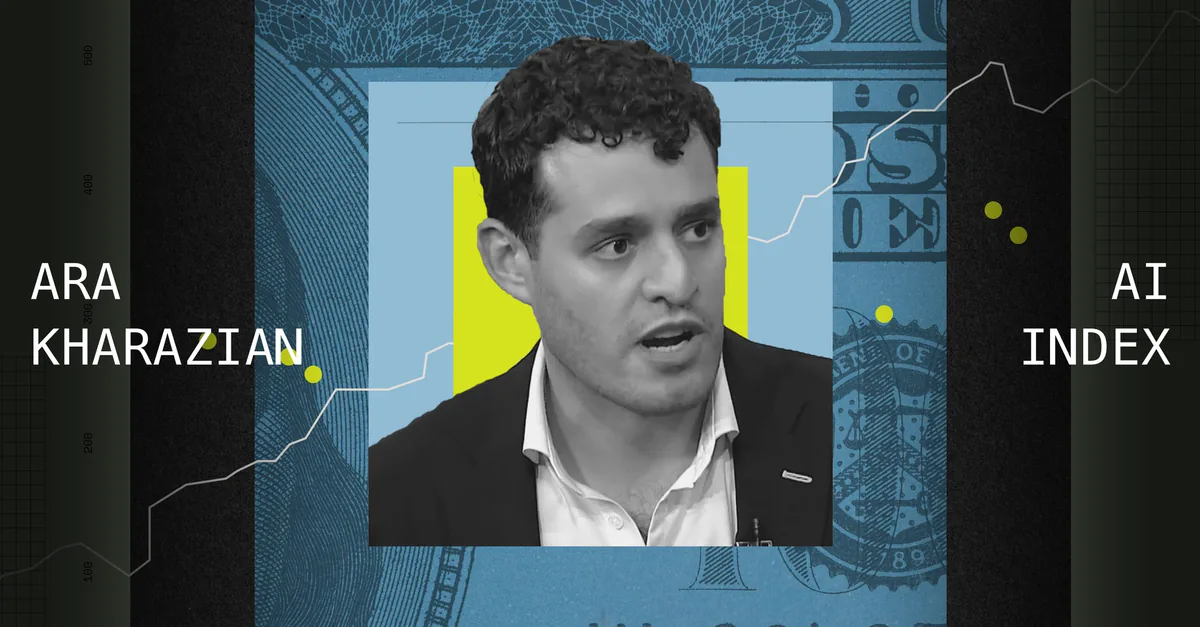
The October edition, written by lead economist Ara Kharazian, shows a stall. Companies used more AI over August and September. Yet the money they paid for that use hardly moved. Ramp recorded two straight months of almost no growth in spending on AI usage.
The biggest spenders show it most clearly. Ramp says the top 1% of firms account for 80% of spending on OpenAI and Anthropic. In September those firms spent $9,568 per employee per month. That was 3.1% below their July high.
Spending picked up in early October and set a new record. But the new peak was only 1.5% above the one in August. Kharazian still calls it a significant slowdown in growth.
Why the bills stopped growing
Kharazian's main explanation is price. The leading AI companies have cut prices on their top models. Cheaper models have also become better and more efficient. So each unit of AI work now costs less than it did.
He says the slowdown is not seasonal, because the amount of AI work kept rising.
Adoption is flattening as well. In September, 55.9% of businesses on Ramp paid for AI. Many pay for more than one model. Kharazian thinks the market is near the top of its growth curve. From here, most growth has to come from existing customers using more.
Contracts tell the same story. Some readers asked him whether AI companies are locking customers into big spending deals. He says the customer holds the stronger position. The deals he has heard about rarely assume unusually high spending. Where they do, the AI companies offer discounts off the list price.
What it means for companies in Indonesia
Ramp's data covers American businesses only. But the same AI companies sell in Indonesia, and their price cuts apply here too.
Start with cost. AI keeps getting cheaper per task. A project your team shelved last year as too expensive may now pay for itself. It is worth running those numbers again.
Then use your bargaining power. If the biggest AI companies give discounts to US customers, ask for the same terms.
Be careful with long commitments. Prices have been falling. A deal priced on today's rates could look expensive within a year.
Switching is also getting easier. Ramp notes in a separate post that companies now move between AI models with less effort. That keeps suppliers competing for your business, as long as your systems aren't tied to one of them.
What to do next
- Ask your teams what you paid for AI each month this year, and what you got for it.
- Re-check the costs of any AI project you shelved because it seemed too expensive.
- Ask your AI suppliers for discounts off the list price before you renew.
- Keep contracts short, or add regular price reviews, while prices keep falling.
- Build your systems so you can swap one AI model for another without starting over.
- Watch Ramp's next monthly index to see whether the October pickup holds.