
A Japanese maker now finds old part drawings in 4.5 minutes, not an hour
Kuken Industries, a cooling-tower maker, built an AI search over 70 years of engineering drawings. Newer engineers now find the right one themselves, and veterans get time back to teach.
The short version
- Kuken Industries, a Japanese maker of cooling towers, built an AI search tool over 70 years of engineering drawings.
- Engineers now find the drawing for a replacement part in 4.5 minutes, down from nearly an hour.
- Kuken expects to cut the hours spent searching for drawings by about 90% over a year.
The problem it solved
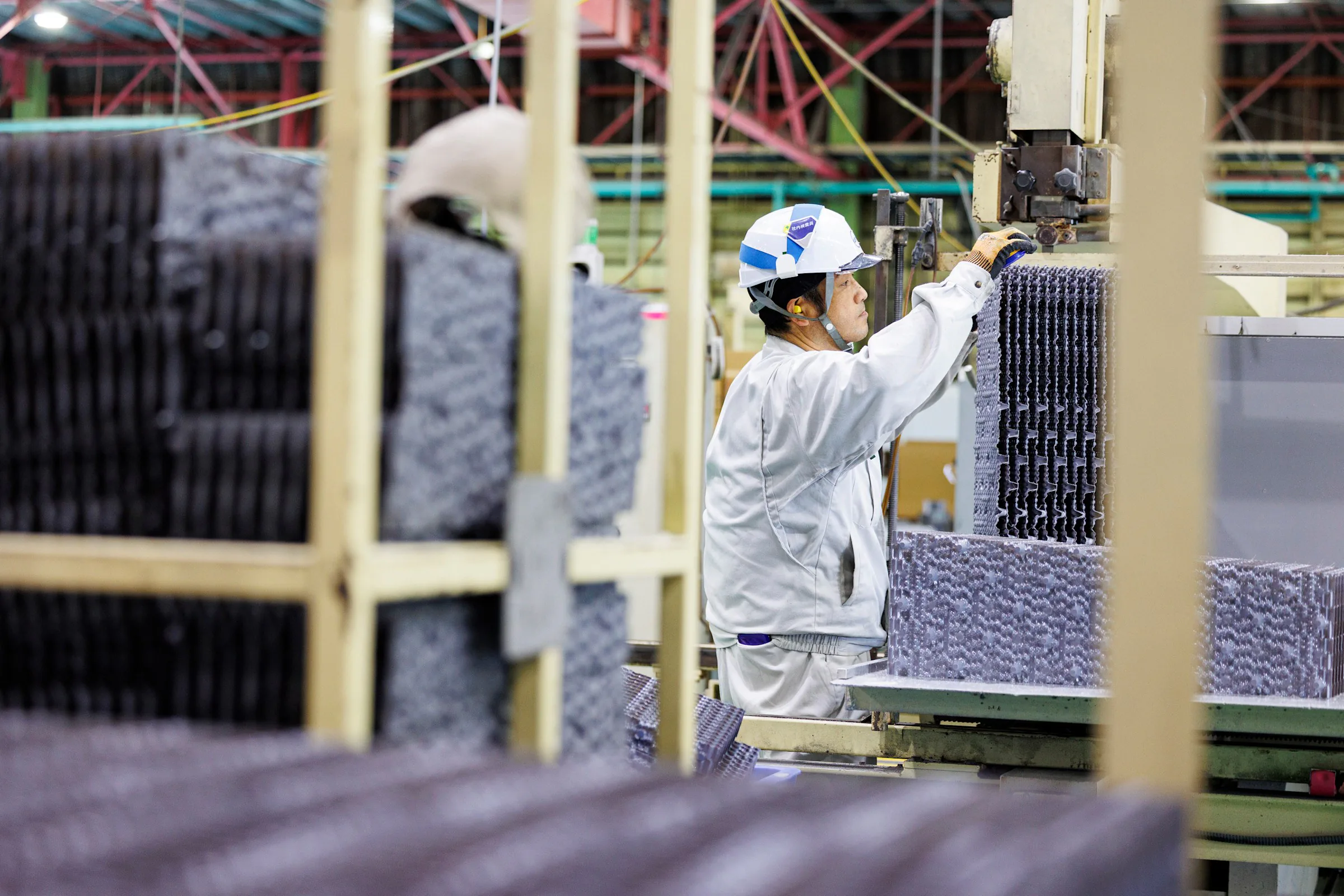
Kuken makes air conditioning and ventilation equipment for big buildings and factories. It holds one of the largest shares of Japan's cooling-tower market.
When an old tower needs a part, engineers need the original drawing. Parts made today don't always fit older towers. Without the drawing, they may have to design a new part from scratch.
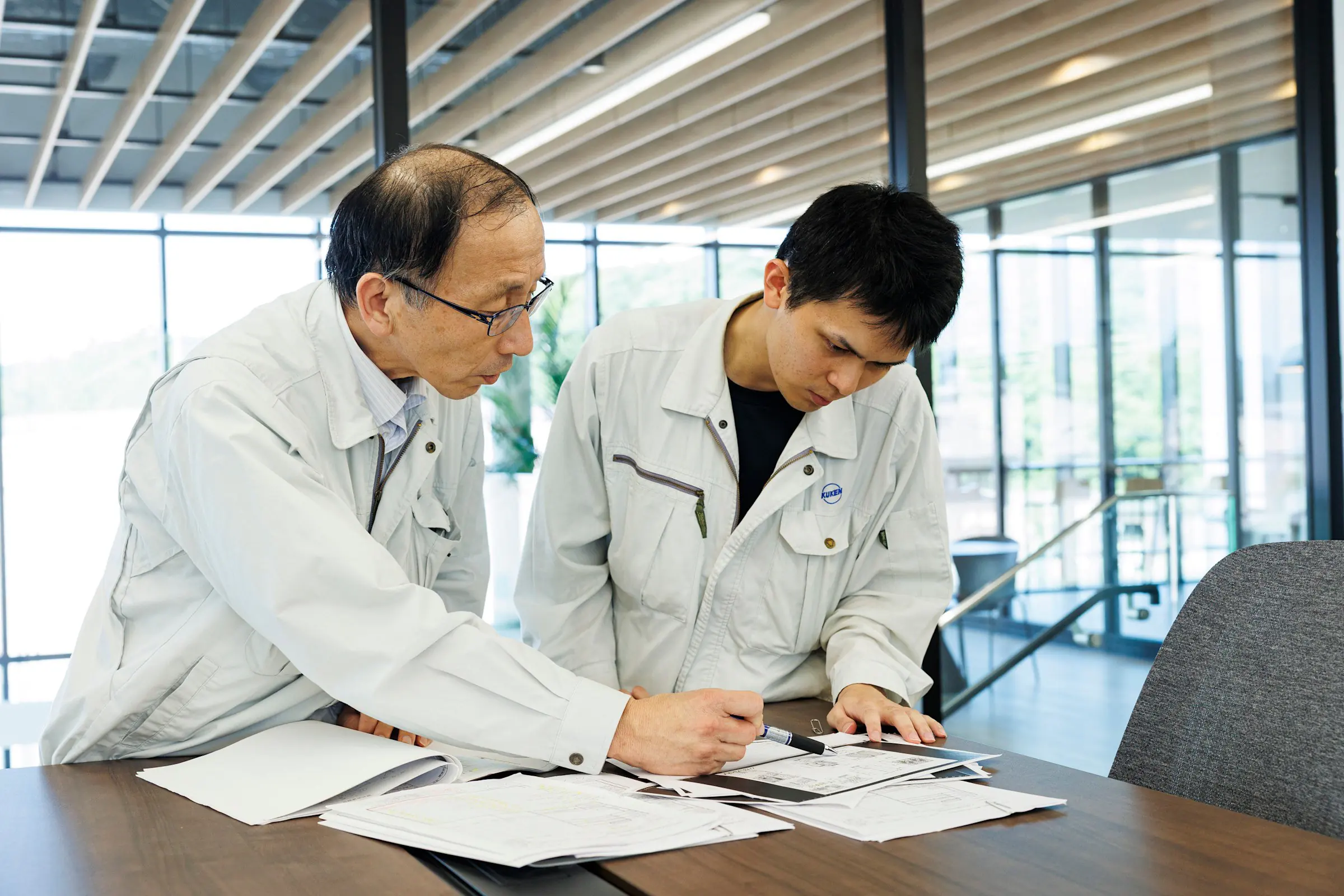
Over 70 years, Kuken often adjusted designs for single customers. So one model name could match several different drawings. On paper, a search could take half a day. Even after scanning, newer engineers often had to ask a senior colleague where to look.
How the tool works
Kuken built the system with a Japanese AI start-up. They tested several AI models on real drawings for accuracy and cost, then picked OpenAI's.
Engineers can type a drawing or part number. They can also upload a photo or PDF of a drawing or parts list. The app reads the part numbers and suggests matches, including similar designs. An engineer then checks the tower's specifications and past repair records to confirm the right one.
Kuken says newer engineers now handle more jobs on their own. Experienced staff spend some of their freed time mentoring. Reviewing drawings in the app also cuts printing costs.
The design is worth noting. The app suggests possible matches, and an engineer still confirms the right drawing against the tower's records. The AI narrows the search, and a person makes the final call.
Kuken is now building a second tool that checks drawings from its suppliers against the specifications. In early tests, about 90% of the problems it flagged were real mismatches.
What it means for Indonesia
Many Indonesian manufacturers and building operators sit on decades of drawings and maintenance records. Much of it is on paper, or known only to long-serving staff.
Kuken's case is useful because it is ordinary. The AI does not design anything. It finds the right old record fast and lets a person make the call. That is a narrow, low-risk first project with a clear time saving to measure.
The bigger gain may be passing know-how to younger engineers. Kuken's factory manager says the tool helps pass skills on to the next generation of engineers. Indonesian firms with an aging engineering team could try the same idea.
Note how Kuken chose its tools. It tested several AI models on its own drawings before picking one, weighing both accuracy and cost. Drawings are hard for AI to read, and results on one archive may not carry over to another. A short test on your own files is cheap insurance.
What to do next
- Find the archive your engineers search most often, and time how long a typical search takes today.
- Scan what is still on paper so the AI has something to search.
- Test several AI models on your own drawings before choosing one, as Kuken did.
- Keep a person checking every match before a part is made or ordered.
- Measure the time saved per search before and after, so you know whether to extend the tool to other archives.