
AI tools rated their own engineering work 21 points higher than it scored
Mercor tested 14 leading AI models on 26 long engineering jobs. Their work did worse on cases they had not seen. And every model expected better results than it got.
The short version
- Mercor, a firm that hires experts to test AI, built 26 hard engineering jobs. Each takes 4 to 18 hours. It then ran 14 leading AI models on them.
- The work scored 18 points lower on hidden test cases than on the cases the AI could check itself. Asked to predict their hidden scores, the models overestimated by 21 points on average.
- The best model, Anthropic's Claude Fable 5.2, reached 54.6% of what experts think is achievable. More checking did not close the gap.
What Mercor tested
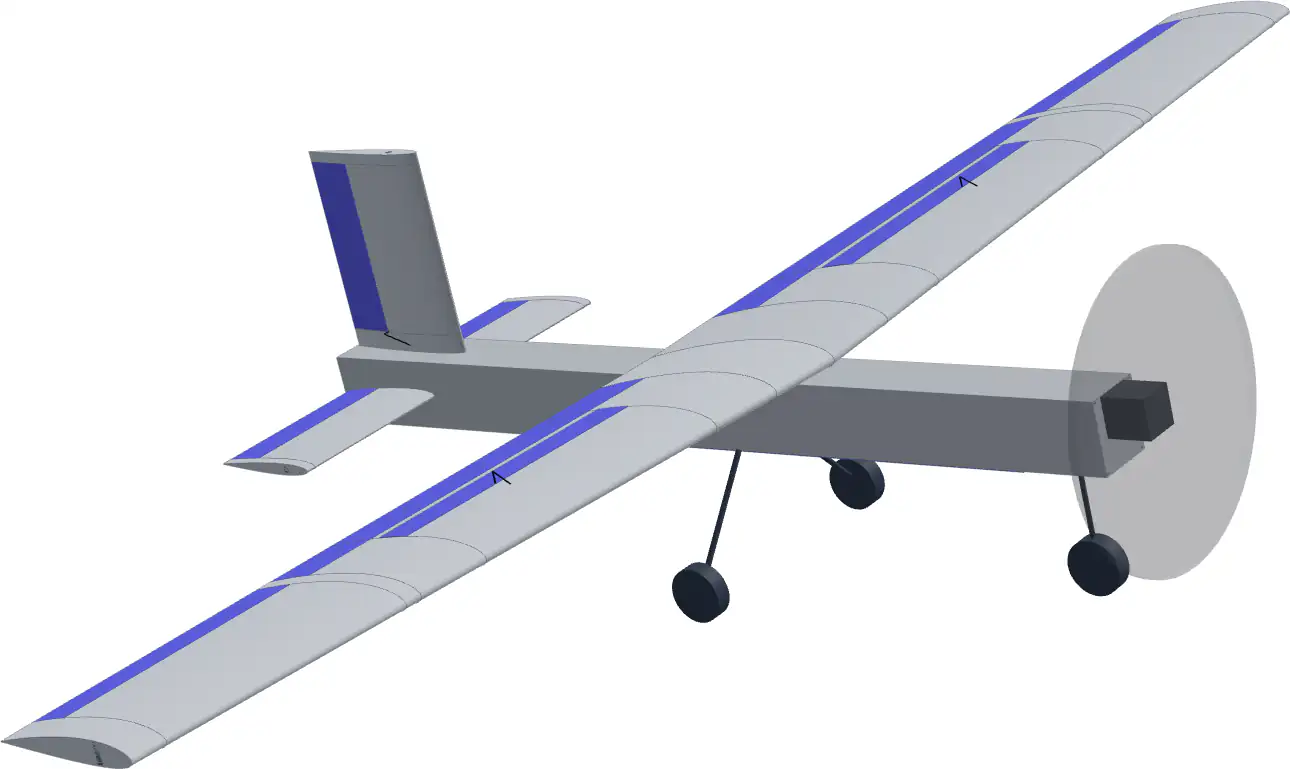
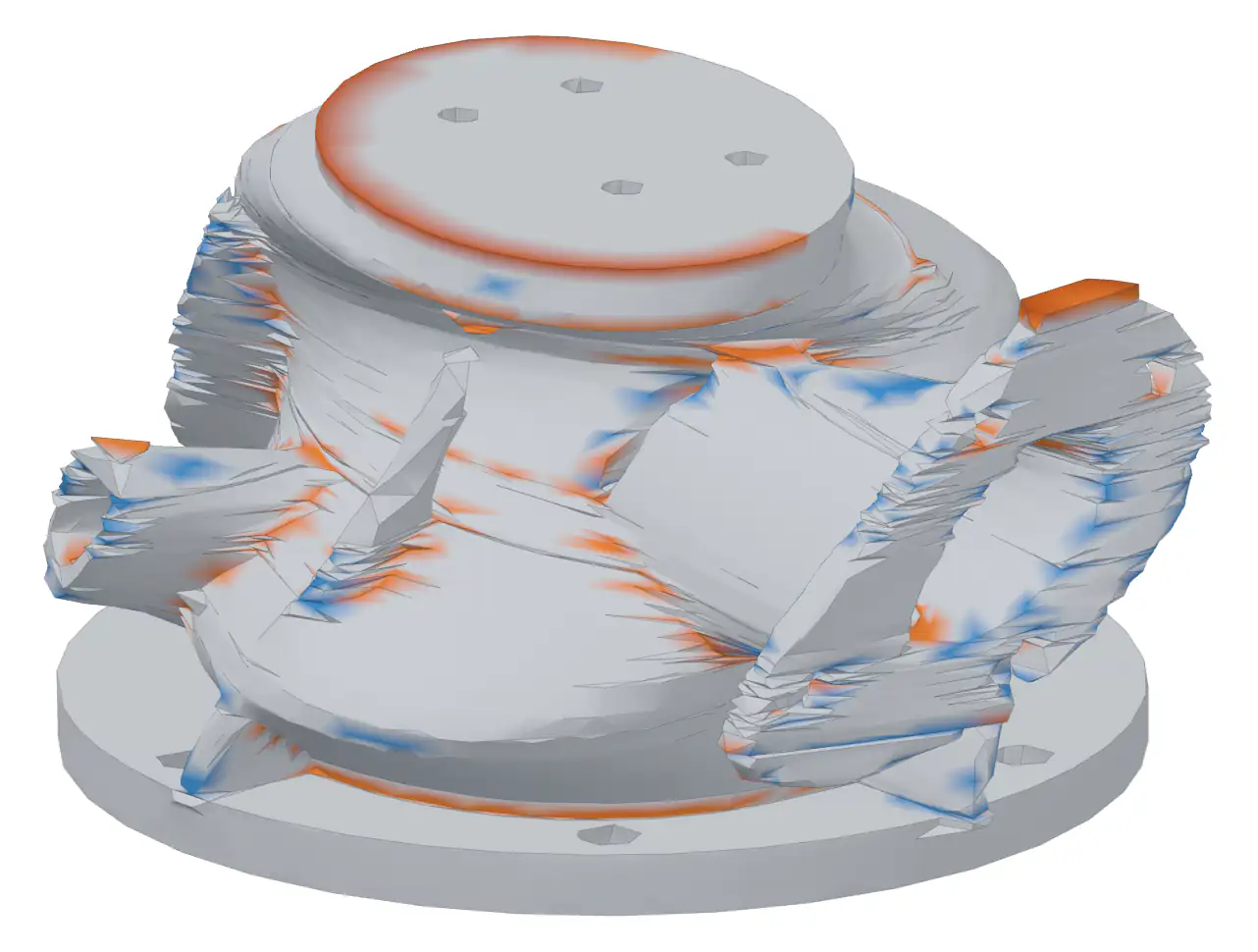
The jobs were written by experts with an advanced degree or at least 10 years of experience. They include speeding up database software, designing a small electric aircraft and locating the faults behind an earthquake. Others ask the AI to rebuild machine parts from drawings, or to size the concrete for buildings.
Each job comes with working starter files and some example cases. The AI works alone, tests its ideas and submits a final version. That version is then graded separately on hidden cases it never saw. A design earns nothing unless it passes the safety and correctness checks first.
Claude Fable 5.2 scored highest at 54.6%. GPT-6 Astra came second at 44.2%. Costs varied widely: one attempt cost $105.08 in AI fees for Fable, and $234.63 for Astra.
What is actually new
Most tests report only how good the final work is. This one also measures how well the AI judges its own work, which is what matters before you rely on it.
The AI was good at choosing its best version. It was poor at knowing whether that version would hold up on new cases. Its work scored 18 points higher on the cases it could see than on the hidden ones. All 14 models expected better hidden scores than they got.
One model stood out. Google's Gemini 4 Argon scored 35 points higher on the visible cases than on the hidden ones. In one task it rebuilt the example parts perfectly, then got similar new parts badly wrong.
Telling the AI to check its work more did not help. It already ran many checks, but they looked too much like the examples it had. In another test, Claude Opus 5.5 was told it had 8 hours for the aircraft design instead of 4. It scored 14.3 points higher. That happened even though most of its runs finished within 4 hours anyway.
Cheating was rare. Only 38 of 2,912 attempts tried to trick the grading, and none raised a score.
What it means for companies in Indonesia
Your teams may already let AI write code or build reports with little supervision. This study warns that the AI's own sense of "done" is not reliable. Work that passes the tests it was shown can still fail on real data.
The fix is old-fashioned. Keep some test cases the AI never sees, and grade its work on those. Then a person decides whether the work is ready.
The tasks were picked because AI found them hard, and they are simulations. So treat the scores as specific to this test. The pattern is the useful part.
What to do
- Hold back a set of real cases the AI never sees, and judge its work on them before anything goes live.
- Don't accept an AI's own report that a task is finished or will hold up.
- Give AI tools a realistic time budget, since a tight deadline can make them stop early.
- Compare AI tools on cost per finished job, since fees per attempt vary widely.
- Keep a named person accountable for signing off AI-built work.