
BMW makes its AI helpers earn the right to act without a human check
BMW's research arm, with more than 12,500 developers, has shared how it keeps hundreds of teams' AI helpers in line. Every step gets a trust level, and separate software enforces rules the AI can't change.
The short version
- BMW's research and development arm has hundreds of teams building AI helpers for its more than 12,500 developers. It has published how it keeps them under control.
- Each step an AI helper takes gets one of three trust levels, from "a human approves every action" to "acts alone within fixed limits".
- The rules are enforced by ordinary software outside the AI, so a clever instruction can't talk the AI past them.
What happened
BMW's R&D teams look after about 500 million lines of vehicle software. They also run online systems that support 24 million BMW vehicles on the road. Mistakes there are expensive, and the industry is regulated.
BMW has been building AI helpers that carry out tasks on their own since 2023. With hundreds of teams doing it around the world, it faced a familiar problem. Teams want freedom to move fast. The company needs every helper to be safe and affordable. It also doesn't want ten teams building the same thing.
Its engineers described their answer in a post on Amazon's cloud blog this week. It is one of the most detailed public accounts of how a large company runs many AI helpers at once.
The three trust levels
The core idea is that trust is earned, and it is set per step, not per AI helper.
- Level 0. A human approves every action. New helpers and risky jobs start here.
- Level 1. The helper acts on its own, but its decisions are shown to people to review afterwards. This suits medium-risk work that can be undone.
- Level 2. The helper works alone inside strict limits. This is kept for low-risk, well-understood work with a proven track record.
One task can mix all three. Drafting a document might run at Level 2 while writing to a live customer database stays at Level 0. Teams raise a step's level only when test results justify it.
Rules the AI can't argue with
BMW keeps its rules outside the AI itself. Permission checks and company rules run as separate software. They check each helper before it starts real work. Because these checks are separate, neither the helper nor its instructions can override them.
Other controls stop a helper from sending confidential data to the wrong place. Outgoing messages can only go to approved recipients, and they are scanned for passwords and keys.
Before a team builds anything, it has to write down five things:
- what the helper should and shouldn't do;
- how people and other helpers will use it;
- exactly which tools it may use;
- a set of real test questions and right answers;
- the quality bar it must clear.
Every change to a helper reruns those tests automatically. Every helper must keep a step-by-step record of what it did. Without one, it fails automatically.
Small helpers, one shared catalog
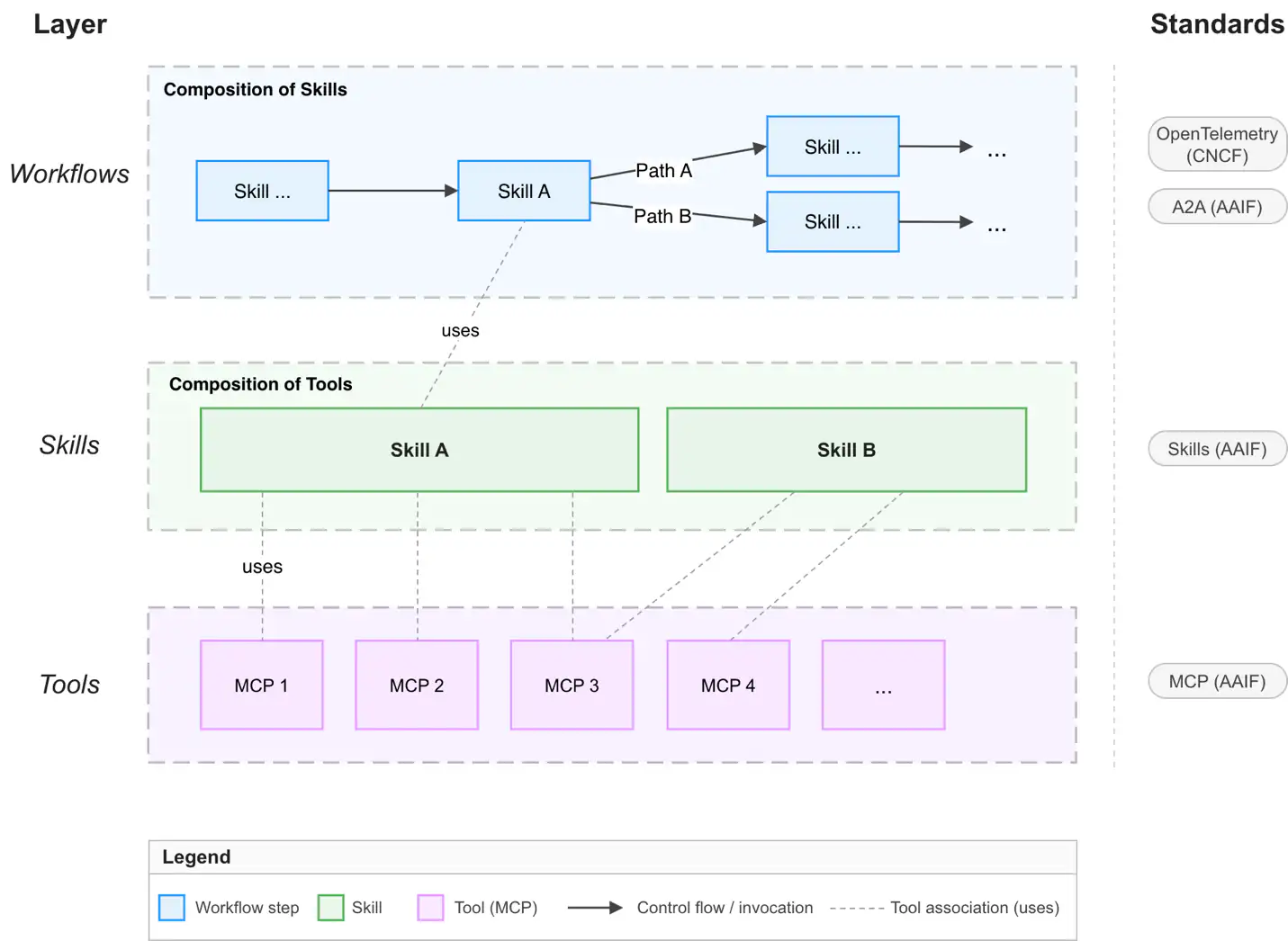
BMW found that big, do-everything helpers get worse over time. Their instructions grow too long, and they make more mistakes. So it splits them into smaller specialists. A narrow helper can often run on a smaller AI model, which costs less.
To stop teams building "AI islands", BMW keeps one central catalog of every helper and tool. Nothing goes live without being listed there. The catalog checks for security problems, such as hidden instructions slipped into a request. It also flags when another team already maintains something that does the same job.
BMW even uses an AI to review its other AI helpers. It looks for helpers that have drifted beyond their purpose or grown slower or less accurate. It only recommends. A named person decides, so two sets of eyes see every change.
What it means for companies in Indonesia
Most Indonesian companies are at the stage BMW passed a while ago: a few pilots, owned by different teams, with no shared rules. BMW's lesson is to put the rules in place before the helpers multiply, because adding them later is much harder.
The trust levels are the easiest part to copy. They give risk, compliance and business teams a shared language. "This step stays at Level 0" is a clearer decision than "be careful with AI".
What to do
- List every AI helper your teams are building, and who owns each one.
- Agree a simple trust scale, and give every step of every helper a level.
- Ask for a test set of real questions before any new helper is built.
- Put permission checks in your release process, outside the AI's instructions.
- Keep one shared catalog, so teams reuse what already exists.