
ChatGPT can now pay for your shopping without seeing your card number
OpenAI's new wallet lets its AI assistants check out for you, with a fingerprint or Face ID approval each time. It starts in the US, and OpenAI has published a guide for shops that want to accept these purchases.
The short version
- OpenAI launched ChatGPT Wallet on 13 November. It lets an AI assistant pay for things you ask it to buy.
- The shop never sees your real card number. You approve every purchase with Face ID or a fingerprint.
- It starts with US users on the ChatGPT Pro plan. OpenAI also published a guide for businesses that want to accept these purchases.
What OpenAI launched
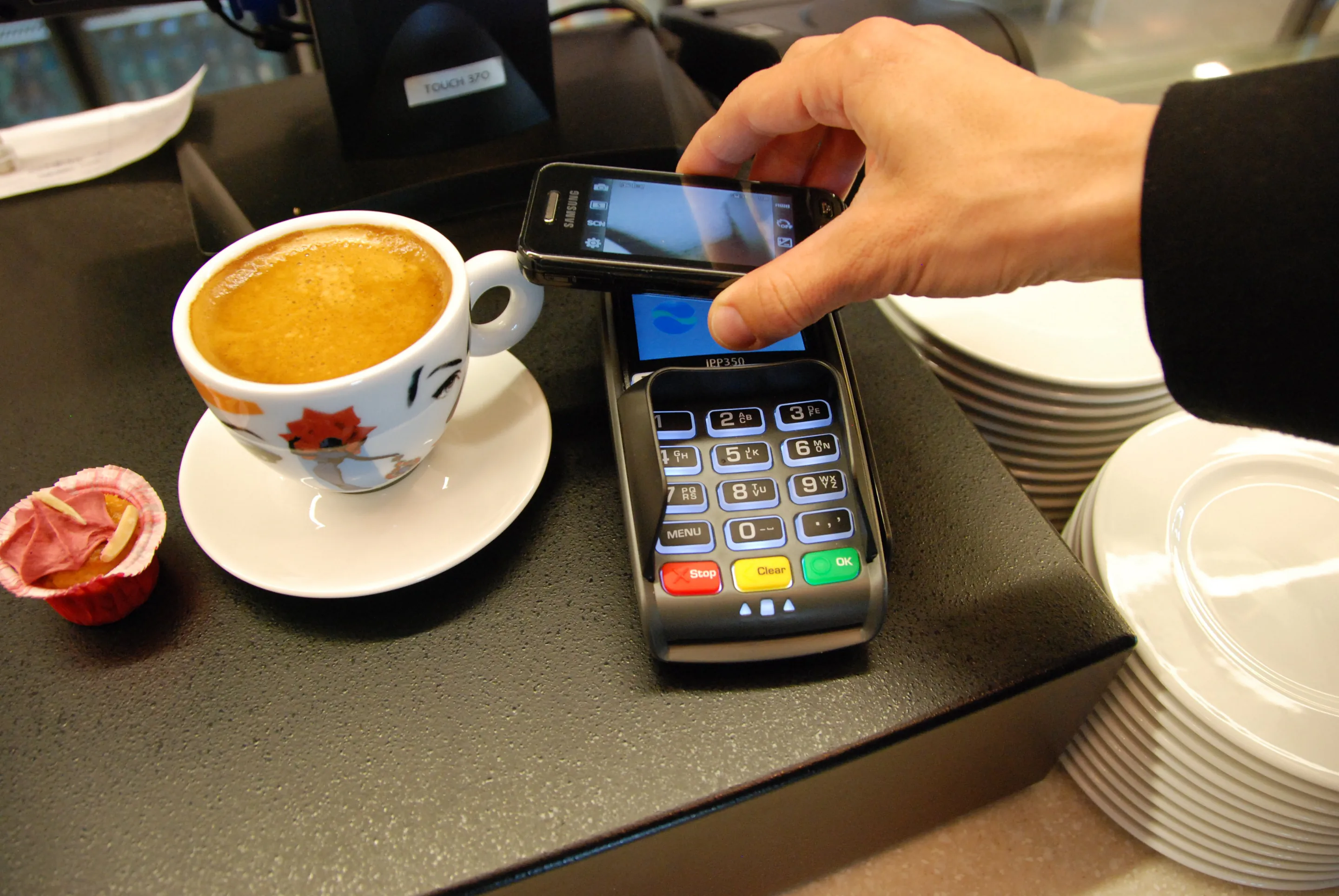
ChatGPT Wallet is a way for ChatGPT's assistants to finish a purchase for you. You add a card once. After that, you don't type your card details again.
Before each purchase, you see what is in the basket and what it costs. You also see which card will be charged. You approve it with Face ID or a fingerprint scan. Each approval leaves a record of what you allowed the assistant to buy.
Then the card network creates a stand-in card number, with its own security code and expiry date. The shop charges that number. Your real card details never reach the shop or the assistant.
OpenAI built the wallet with American Express, Mastercard and Visa. You keep your card's rewards. You also keep your usual protection if a purchase goes wrong, for example when an item arrives broken.
What is actually new
ChatGPT already helps people research products and compare options. OpenAI says 1.2B people use it each week, and many of them use it to decide what to buy. Now an assistant can also pay, using a stand-in card number. The buyer still deals directly with the shop. The shop keeps control of its prices and delivery. It also still handles returns and customer service.
The launch is small for now. It covers adult ChatGPT Pro subscribers in the US who hold eligible US-issued cards. It runs inside "dots", ChatGPT's assistants that carry out tasks for you. OpenAI says it wants to learn from real use before it opens the wallet to more people.
OpenAI also hints at the next step. Later, users may set a spending limit or a type of purchase, and let the assistant buy within it without asking each time.
What it means for brands and shops in Indonesia
The wallet is not available in Indonesia yet. But the guide OpenAI published alongside it applies to any business that sells online. It describes what a shop needs so that an AI assistant can buy from it.
The guide warns that many sites block these purchases by accident. Security settings built to stop bots can also stop a legitimate AI assistant. Fraud checks can flag a real purchase as suspicious, which leads to declined payments or cancelled orders.
That matters for any brand that sells through its own website. If shoppers start asking an assistant to buy for them, a site the assistant can't use may lose the sale without the shopper ever knowing why.
The guide's advice starts with product information. OpenAI suggests businesses claim their profile in ChatGPT and upload a product list with current prices and stock. An assistant that can't find a price or a size may skip the product.
What to do or watch next
- Ask your web team whether your site's security settings block AI assistants. OpenAI's guide explains how to tell its assistants apart from harmful bots.
- Talk to your payment provider about how it treats purchases made by AI assistants. Find out how many might be declined today.
- Keep your product data clean and current: prices, stock and descriptions. Assistants rely on it to choose what to show.
- Claim your business profile in ChatGPT if you haven't already.
- Watch for the wallet to reach more countries, and for local payment networks and banks to sign on.