
Circle K's AI now finds the likely cause of IT problems in 15 minutes
The convenience chain's AI gathers the clues from its systems and code, then hands an engineer a summary. People still make the fix.

The short version
- Circle K, with more than 17,200 stores in 27 countries, built an AI system that investigates IT alerts before an engineer starts work.
- The average time to diagnose a problem fell from 45 to 60 minutes to under 15 minutes, based on the team's own incident records.
- The AI recommends a fix and a person carries it out, and that limit is the part most worth copying.
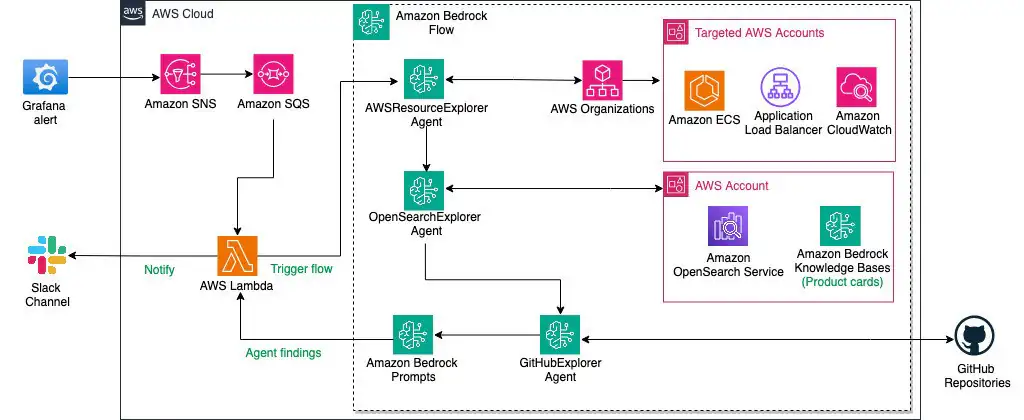
What Circle K built
Behind every Circle K store sit the systems that run its checkouts and loyalty apps. When one of them misbehaved, an alert fired. An engineer then spent 45 to 60 minutes collecting clues before any repair could begin.
The engineer pulled records from several tools and compared the symptoms. The same steps repeated for every alert. As Circle K added digital services, the alerts multiplied.
Now the AI does the collecting. It looks at the affected systems and reads the error records. Then it searches the company's code for the likely cause and posts a summary in Slack, the team's chat tool.
The summary names the probable cause and the evidence. It also says which team owns the service and what to do next. Engineers can read it in under 2 minutes.
Simple incidents get a summary in 5 to 8 minutes. Complicated ones used to take more than an hour by hand. They now take 15 minutes at most.
Circle K and AWS, Amazon's cloud business, describe one example that any marketing director will recognize. Errors jumped on a service. The AI linked the jump to a scheduled marketing campaign that began 10 minutes before the alert. It also found a flaw in the code that the extra traffic had overloaded, and it recommended a permanent fix.
What the team learned
Circle K's engineers shared 3 lessons from improving the system.
First, give the AI the actual error messages. Early versions received only pointers to where the errors were stored, which made them slow.
Second, put the steps in the right order. The AI searches the code only after reading the error records, so it knows what to look for. A code search with no lead returned too many results to be useful.
Third, expect the job to grow. The volume of records kept rising even though the number of services stayed the same. So in April 2026 the team rebuilt the system to let the AI spend longer on each investigation.
The team also reports a benefit that doesn't show up in the time saved. Every on-call engineer now gets the same summary, however well they know the service. False alarms also get dismissed faster.
What it means for your company
Any business that runs many apps carries this hidden cost, whether it is a retailer, a bank or a telco. Skilled people spend the first hour of each incident gathering facts, while customers wait for the service to come back.
This is also a low-risk place to start with AI that does groundwork for your team. In Circle K's setup, the AI reads information and writes a recommendation. A wrong answer costs an engineer a few minutes of checking, and nothing breaks.
Settle the data question first. Circle K's error records can contain sensitive information. Its team chose a service that doesn't share customer data with the companies that make the AI models, or use it for training. If your company in Indonesia tries this, get the same promise from your supplier in writing.
Keep in mind where the numbers come from. They are the team's own figures, published on the blog of the company that sold it the AI service.
What to do next
- Measure your own starting point. Time how long engineers take from the first alert to a useful diagnosis.
- Start with one service that causes frequent, repetitive alerts. Give the AI permission to read, and nothing more.
- Keep a person approving every change. Circle K's next step is simple repairs such as restarting a task, and an engineer will still approve each one in Slack.
- Ask your supplier in writing how your records are stored and who can see them.
- Write down your known failures and how you fixed them. Circle K plans to add this kind of guide next, so the AI can match symptoms to fixes that worked before.
- Share your campaign calendar with IT. A big sale day should never surprise the people keeping the site up.