
Instagram now uses AI worldwide to spot teens who lie about their age
Meta is rolling out AI age estimation on Instagram globally. Accounts it believes belong to teens move into restricted Teen Accounts, even if the user gave an adult birthday.
The short version
- On 9 November Meta said it is expanding its AI age-estimation technology to Instagram users worldwide.
- Accounts it suspects belong to teens move into Teen Account protections, even when the user typed an adult birthday.
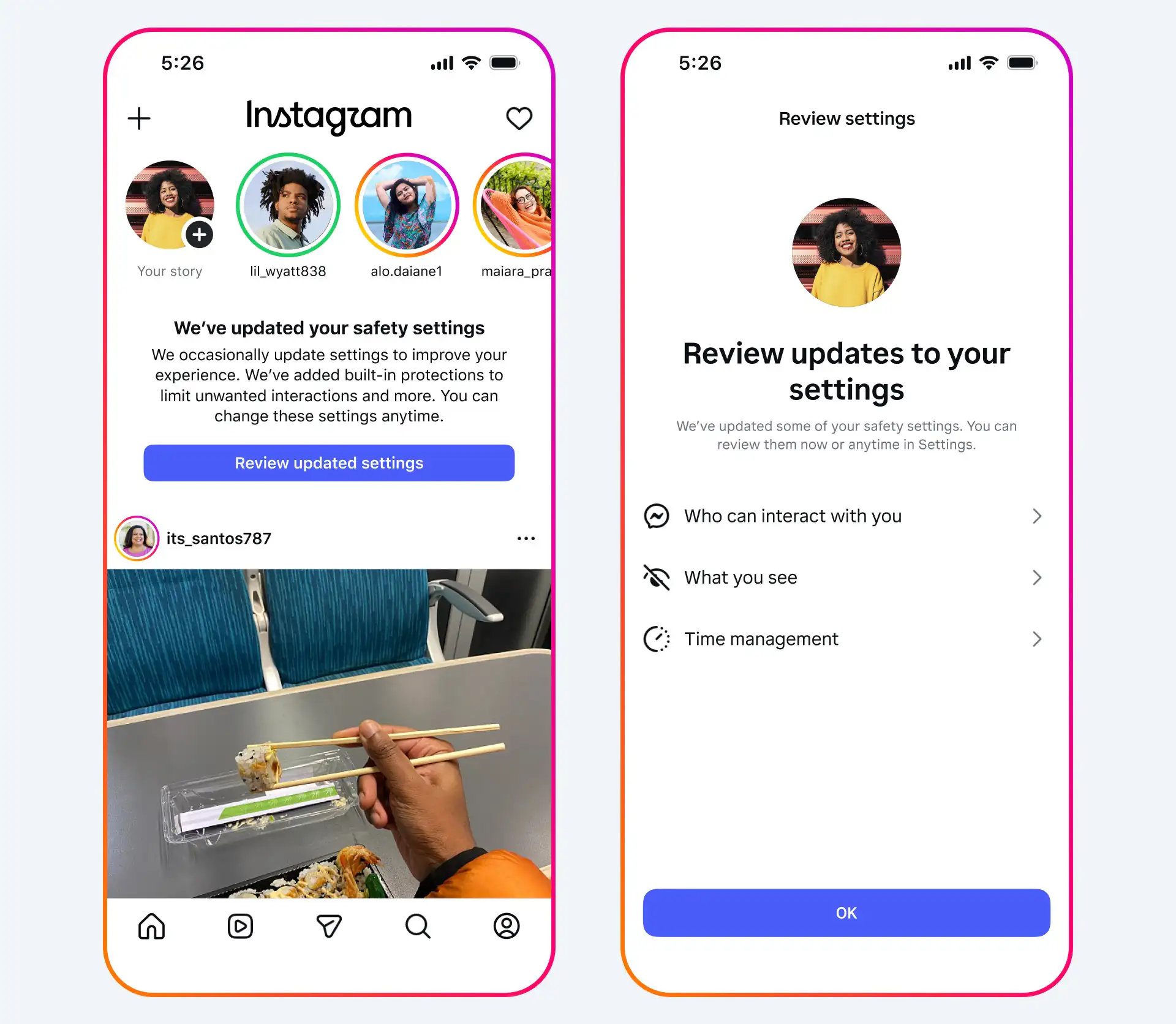
- Teen Accounts limit who can contact a teen and what they see. They also cap time spent on the apps.
What changed
Teen Accounts work across Meta's main apps. They switch on built-in limits for users aged 13 to 17.
The weak point was always age. Some teens simply claim to be older. Meta has used AI to find likely teens for a while, and says the results were good enough to take it global. Meta says millions more teens will now get the protections.
The rollout continues on Facebook. Meta says similar technology will reach Threads later this year.
In the United States, parents will see a short video in their Instagram feed this month. It explains the approach and how parents can help keep a teen's age correct. Meta says the expansion builds on an agreement with 52 US attorneys general.
For parents, Meta pitches this as peace of mind wherever they live. The protections apply even if a teen set up the account with an adult birthday. Meta also says it is investing in stronger tools to catch accounts that may belong to children under 13, who are not allowed on its apps.
Meta wants app stores to check age
In Australia, Meta now also uses an age signal from Apple. When a parent sets up a teen's phone, the app store can confirm an age range and pass it to each app the teen downloads.
Meta argues for one checked age, set on the phone and passed to every app. It says this works better and protects privacy more than each app checking alone. It also says many new teen-safety laws don't explain how companies should work out a user's age. And it is calling on TikTok and YouTube to adopt the same practices.
What it means for brands in Indonesia
Many Indonesian brands reach young people on Instagram. Some accounts that looked adult will now be treated as teens. Your reach among young followers may shift, and messages from accounts they don't know may not get through.
The change also affects how you think about age-restricted products. Meta no longer takes a typed birthday at face value. Brands selling to adults only should not rely on it either.
If TikTok and YouTube follow, the same shift will hit the other platforms your campaigns use. Platforms, not users, will increasingly decide who counts as a teen.
There is a lesson in how Meta did this, too. It did not ask every user for an ID card. It used AI to estimate age from signals it already had, then applied stricter settings to the likely teens. Meta says this avoids collecting sensitive documents. Companies that need to know a customer's age may find the same balance useful.
What to do next
- Check any campaign or creator brief aimed at people aged 13 to 17 against Teen Account limits.
- Expect audience reports for young age groups to change as accounts are reclassified, and brief your media team before the numbers move.
- If you sell age-restricted products, check how your own sites and apps confirm age.
- Watch whether TikTok and YouTube adopt similar age checks, and plan for the same change there.