
Meta now reads what your ad shows. New launches no longer start from zero.
A new token vocabulary lifted conversions 0.35%, Meta says. Clear creative and specific product titles now shape how ads are delivered.
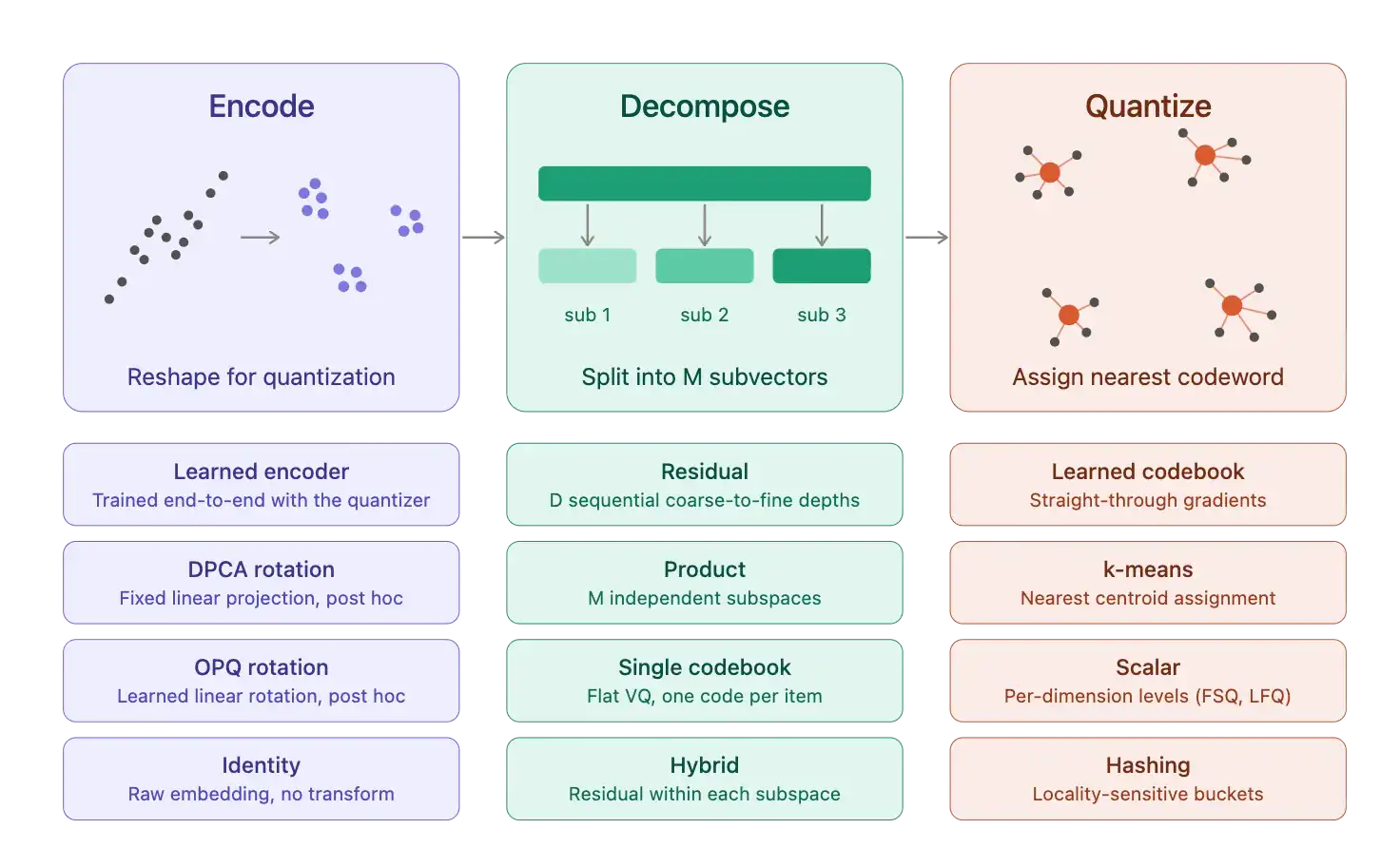
On October 19, Meta's engineering team explained a change in how its ad system decides what to show. Each ad, product and page used to have its own ID. Now each is described by a small set of tokens from a shared vocabulary, much as a language model describes words. Paired with Meta's Generative Ads Model and its Adaptive Ranking Model, the change delivered a 0.35% lift in conversions across surfaces, according to Meta's internal data from February 2026.
The lift is small. The method matters more, because it changes how advertisers should build campaigns.
What changed
Most ad systems learn about an ad by watching how people react to it. A new ad has no history, so the system has little to go on until money has been spent finding out. Performance marketers know this as the cold-start problem in the first days of a campaign.
Meta's approach, which it calls GenRecs Tokenization, reads the ad itself first. Pre-trained multimodal models look at the text and images of each ad, product and page and turn them into a short sequence of tokens. Similar items share tokens, so a new trail-running shoe ad starts from what the system already learned about last season's running shoe ads.
Where the gains are
Meta says the biggest gains are in tail ads: new creatives, niche products and pages with little engagement. These are the ads that used to underperform early. Better predictions on them also improve the training data for every other ad, which Meta calls a flywheel.
Meta tested eight versions of the tokenizer. The versions that grouped similar items more cleanly, and spread items more evenly across the vocabulary, also predicted clicks more accurately. Put simply: the better Meta's system sorts ads by what they show, the better it predicts who will click.
What it means for brands and agencies in Indonesia
Indonesian fashion and beauty brands run large catalogs on Meta, often thousands of products with constant new launches.
The creative itself is now a delivery signal. The words and images in an ad shape which group of similar items it lands in. An ad that shows the product clearly and names what it is gives the system more to read than a vague mood shot.
Product feeds matter in the same way. The same models read the titles and images in your catalog. Specific product data helps a new item borrow learning from the right neighbors, and a feed full of "Promo!!! Best Seller" gives it nothing to borrow from.
Launching many small creative tests should also cost less than it did. If new ads inherit learning from similar ones, the early penalty for a fresh variant shrinks, which favors teams that test often over teams that bet on one big asset.
What to do now
Audit your top catalog for missing or generic product titles and fix those first. Brief creative teams to make the product and its category obvious in the first frame and the first line. Keep a baseline from past launches, so you can see whether early cost per result on new products actually improves.
Where this is heading
Meta's system now reads what an ad shows before anyone reacts to it. For marketers, describing clearly what you sell now affects performance as well as brand.