
Claude can now set up your ads on 6 platforms, but only you can launch them
Supermetrics, a marketing data company, now lets Claude create and edit campaigns on Google, Meta, TikTok and three other ad platforms. New campaigns stay paused until a person approves them.
The short version
- More than 200,000 businesses use Supermetrics to pull their marketing data together. It now lets Claude create and edit their ad campaigns.
- It covers Google Ads, Meta, Microsoft Advertising, TikTok, LinkedIn and Snapchat. New campaigns stay paused until someone approves them.
- More than 6,000 Supermetrics customers have used its Claude connection since February, mostly for reporting so far.
What changed
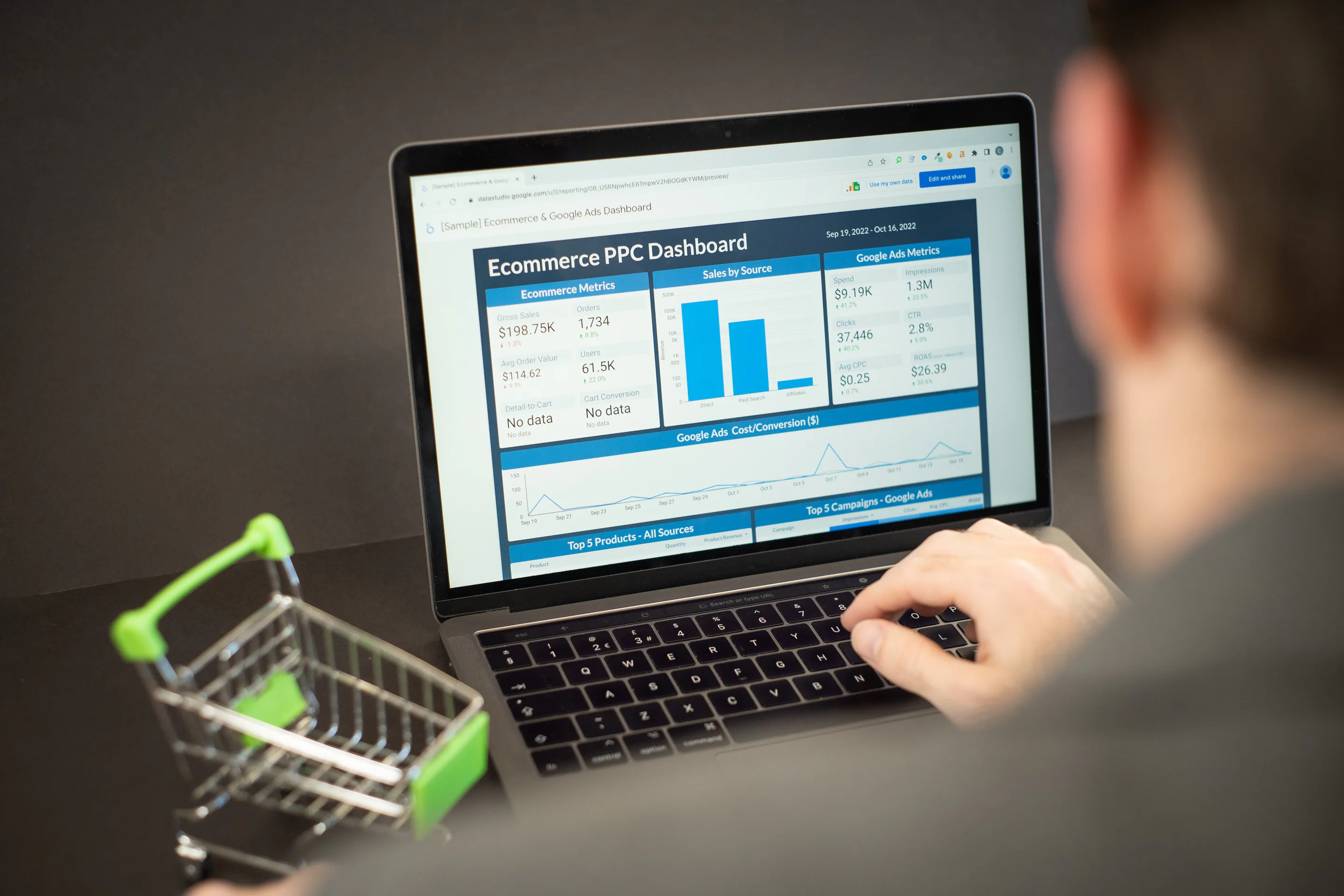
Supermetrics gathers marketing data from many sources into one place, including ad platforms and online stores. Since February, its customers have been able to ask Claude, Anthropic's AI assistant, questions about that data. More than 6,000 customers have used it. Supermetrics says active users grew by an average of 250% a month.
Until now, the main use was reporting. The company cites a Norwegian marketing agency that cut a custom client report from up to 10 hours of spreadsheet work to about 20 minutes.
Now marketers can also ask Claude to create or change campaigns on six ad platforms. Every new campaign starts paused. Proposed edits can be reviewed before they apply. Companies can also set approval rules for each ad account.
Teaching the AI how your business works
The second part of the launch is what Supermetrics calls its Context Layer. Teams write down their targets and reporting rules in plain language. They can add naming conventions and map which client owns which ad account. Claude then applies those settings in every conversation, so nobody has to explain them again.
Supermetrics also hands Claude data in one consistent format across platforms. That removes the manual work of exporting figures from each platform and matching them up.
Co-founder and co-CEO Mikael Thuneberg explained the aim. "The goal isn't to remove marketers from the process," he said. Instead, he wants to cut the manual work between spotting a chance and acting on it.
What it means for brands in Indonesia
If your brand runs ads on several of these platforms, this changes who can set up a campaign. A marketer who can describe a campaign in words can now get a draft built across platforms. The final approval stays with people.
Get the approval rules right first. Decide who can approve spend on each account before anyone connects an AI tool to it. A paused campaign only protects you if whoever approves it checks the targeting and the budget.
In-house teams and agencies will feel this differently. For an in-house team, it can shorten the gap between a report and a fix. For an agency running many client accounts, the approval rules for each account decide how safely the tool can grow.
An AI that knows your naming rules and targets produces reports your team can trust. Writing those rules down is useful work even if you never use this product.
Reporting tools are turning into tools that act. Expect more of them to offer the same mix of AI drafting and human sign-off.
What to do next
- List which ad accounts your teams run, and who may approve spend on each.
- Write down your naming conventions and targets in plain language. Any AI tool will need them.
- Test AI-drafted campaigns on a small budget first, and compare them with campaigns your team builds.
- Check that your agency partners have approval rules before they connect AI tools to your accounts.
- Track which changes came from an AI draft, so you can judge later whether they performed.
- Ask any AI ad tool how it holds access to your accounts, and how you can switch that access off.