
Google's AI can now make a full 15-second video ad in one go
Google's latest video model makes longer clips, keeps products and faces consistent from start to finish, and costs 30% less than before. Businesses can use it now, including inside Google Ads.
The short version
- Google's video AI, Gemini Omni, can now make clips up to 15 seconds long, enough for a full social ad.
- It keeps faces and brand details, like packaging text, steady across the whole clip. You can also edit a clip by chatting with it.
- The price fell 30%, and it is now ready for business use.
What Google released
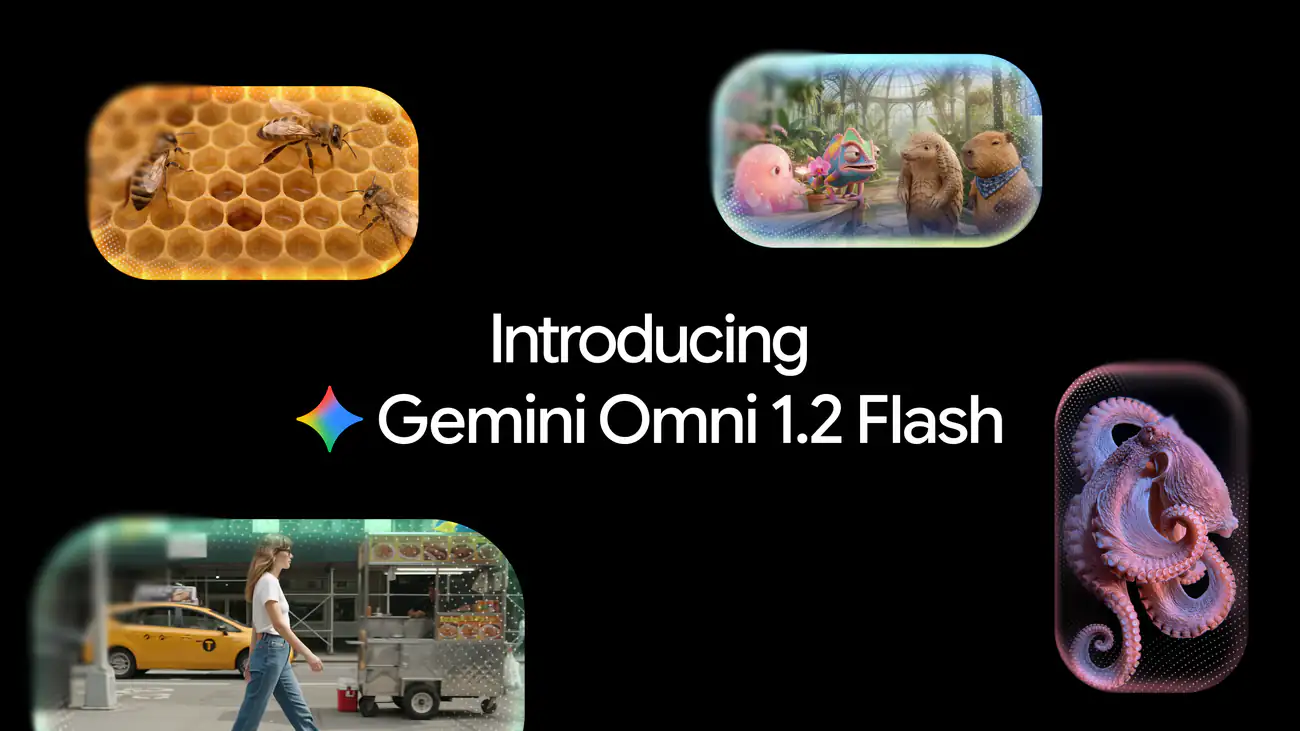
On 5 November, Google DeepMind released a new version of its video AI, Gemini Omni. It turns written instructions and reference pictures into video.
The biggest change is length. Clips can now run up to 15 seconds, up from 10. You can pick any length from 3 to 15 seconds. Google says that is enough for a product explainer or a complete social ad in a single take.
You can guide it with your own material. That includes photos of a product or a person, a style image, short motion clips of up to three seconds, and sound cues. Google says people and products now look the same from the first frame to the last, even as the camera moves.
What is actually new
Three changes matter for marketing teams.
First, editing by conversation. You can ask for one change at a time, such as a new background or a new screen shape. The rest of the clip stays as it was. Before, you often had to start again.
Second, cost. The price dropped 30% from the previous version, to $0.07 per second of standard-quality video. Google suggests a cheap way to work. Draft at low quality and fix details with follow-up edits. Then pay for full sharpness only on the clips you keep.
Third, it is ready for business use. It runs on Google Cloud, and its clips carry an invisible watermark that marks them as AI-made. It is also built into Google Ads and the Gemini app for top-tier subscribers. In Google Vids, anyone with a Google account can make 15-second clips at no extra cost.
Speech has improved too. Google says dialogue sounds more natural, with clearer lip-sync. Different characters can now speak in distinct voices. Camera moves are steadier, with fewer unwanted jump cuts.
Google is open about the gaps. It says the model still struggles with fast sports action, rapid script changes and complex physics.
What it means for brands in Indonesia
Indonesian brands make huge numbers of short videos. Each campaign needs versions for TikTok, Instagram, Shopee and YouTube, often in several languages.
When clips are cheaper and the packaging stays correct, making many ad versions costs far less. A team could turn one set of product photos into many ad versions, then test which one sells. Google's own example is fashion. It turned one model photo and three outfits into a 15-second virtual try-on. Fashion and beauty brands may gain most, because their ads depend on showing the same product from many angles.
The cost of trying is low. A short test with a few product photos will show whether it suits your brand.
There is a gap to check. Google's post does not mention Indonesian speech. Test the lip-sync and voices in Bahasa Indonesia before you rely on it for spoken ads.
What to do next
- Pick one product and run a small test with your own product photos.
- Check every frame of packaging text and logos before anything goes live.
- Compare the cost and turnaround with how you make ad versions today.
- Keep a person approving every clip, and label AI-made content where platforms ask for it.
- Test Bahasa Indonesia dialogue separately before using it in spoken ads.
- Ask your agency partners how they would use it to make more versions of your existing ads.