
Indonesia asks data centers to know who rents their AI computers and why
Komdigi says Indonesian firms can still import certain AI chips under new US rules, with a license for each shipment. It also wants data center operators to know their customers and what they run.
The short version
- Indonesia's communications ministry, Komdigi, says Indonesian firms can still import the AI chips and servers covered by new US export rules. Each shipment now needs a US license, judged case by case.
- Komdigi wants data center operators to know who their customers are and what they use the computing power for.
- If you build or rent AI computing in Indonesia, expect slower deliveries. Expect more questions about how the capacity is used, too.
What Komdigi said
On 27 November, minister Meutya Hafid responded to the US rules in a press release. The US Bureau of Industry and Security issued a temporary rule on 16 November. It took effect on 19 November.
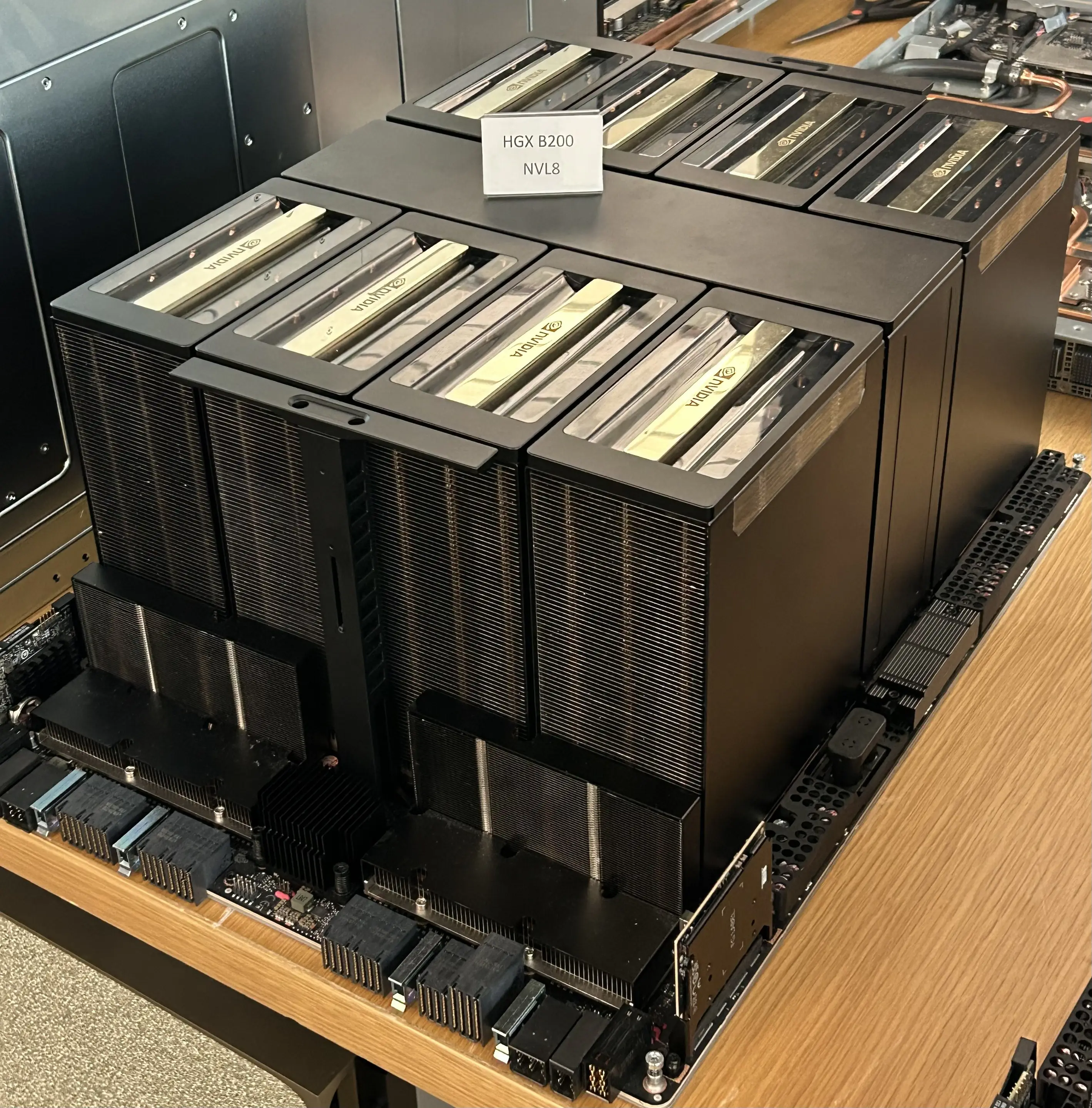
The rule requires an export license for certain AI chips and servers. It covers Indonesia, Malaysia, Singapore and Thailand, plus Brazil. Meutya's message was that the door is not shut. Exports to Indonesia are still possible, and each license request is assessed on its own.
There were also reports that a manufacturing partner had stopped shipping AI servers. Komdigi said it had not received any official notice from the company involved. It will work with other parts of government and with industry to check the effect on the ground.
Meutya said the rule could cause short-term uncertainty. She pointed to companies building AI infrastructure and data centers as the ones most exposed. She also said most AI services people use fall outside the rule, including the systems that recommend content or products.
The three steps
The government set out three responses:
- Ministries and agencies will agree a joint position, so Indonesia speaks with one voice.
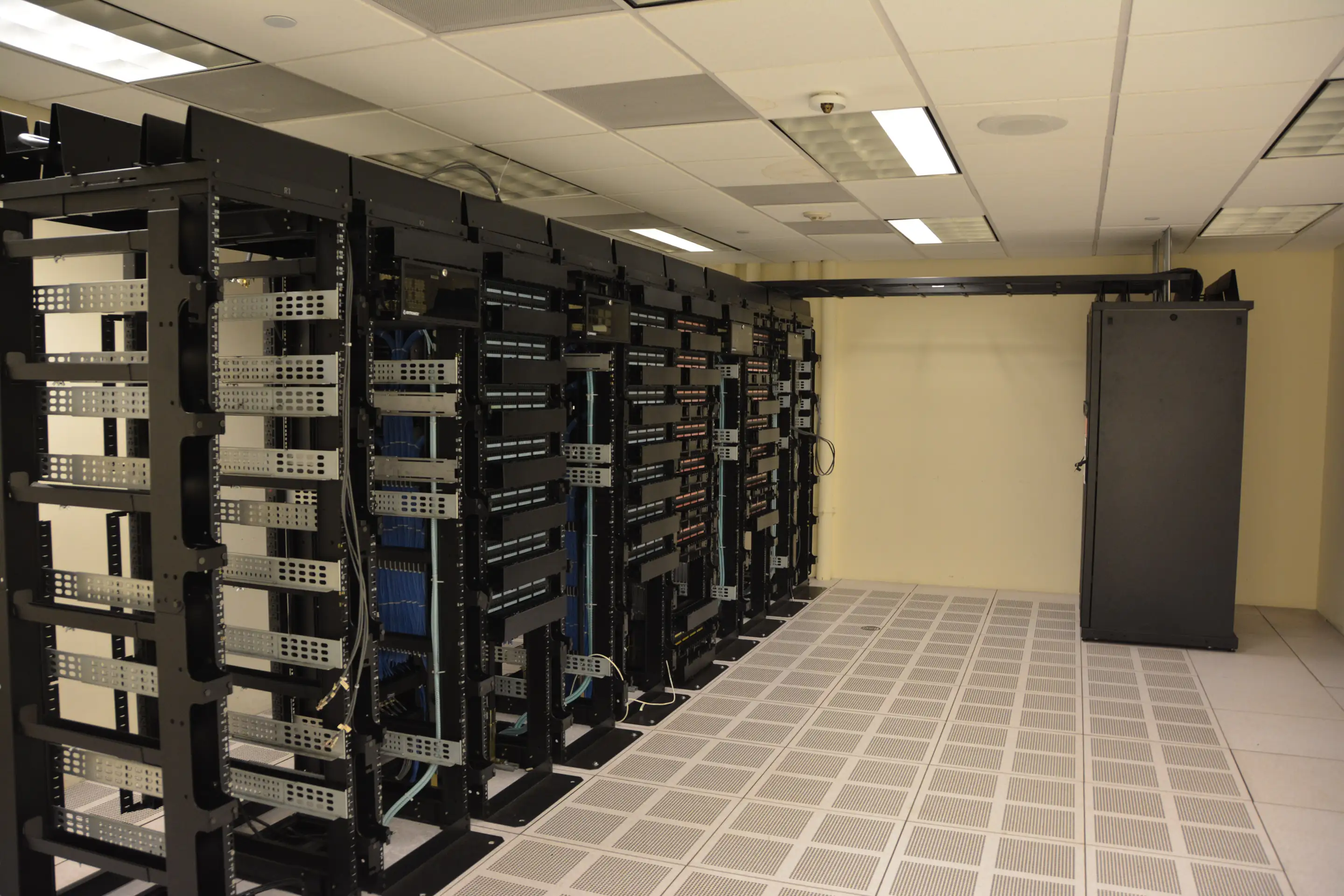
- The government will enforce the law and strengthen governance. Komdigi is asking data center operators to know their customers and their customers' workloads, meaning what each customer runs on the machines.
- Indonesia will talk to the US government about how the rule is applied and what a license requires. The aim is that companies that follow the rules keep access.
The second step matters most for businesses. In Meutya's words, Indonesia "does not tolerate misuse of digital infrastructure in Indonesia". Komdigi's answer to the US rule is to ask data centers to know who is on their machines.
What is actually new
Indonesia's official position is the news here. The government says it has chosen dialogue with the US, and it has asked data center operators to take on a new check. Knowing your customer is familiar from banking. Asking operators to know each customer's workload goes a step further.
What it means for companies in Indonesia
Most companies will not notice much in the short term. The rule covers hardware, not the AI apps most firms use.
The impact falls on those buying top-end AI hardware, or renting it from a local data center. Each order may now wait on a US license. A supplier may pause shipments while it checks its own position. Plans that assumed quick delivery of new servers deserve a second look.
Data center operators face a second change. If Komdigi expects them to know what each customer runs, customers should expect more questions at signing. They may also be asked for some proof of what the capacity is for.
What to do
- If you plan to buy AI servers, ask your supplier now whether your order needs a US license and how long that is taking.
- If you rent AI computing in Indonesia, expect your provider to ask what you will use it for, and have a clear answer ready.
- If you run a data center, write down how you check customers and their workloads before you are asked to show it.
- Build some slack into AI projects that depend on new hardware arriving this quarter.
- Watch for the results of Indonesia's talks with the US, which could change what a license requires.