
Indonesian news sites lost up to 70% of readers to AI answers, Komdigi says
Indonesia's deputy communications minister says AI answers in search have cut traffic to online media by up to 70% in two years. If your brand relies on search for customers, the same shift hits you.
The short version
- Indonesia's deputy minister for communication and digital affairs, Nezar Patria, says online media have lost up to 70% of their traffic over the last two years.
- He cites research by AMSI, the Indonesian Cyber Media Association. He links the fall to AI answers in search, such as Google's AI Overviews and AI Mode.
- His advice to media is to stop relying on search traffic and build a direct relationship with readers. Brands that depend on search face the same choice.
What Komdigi said
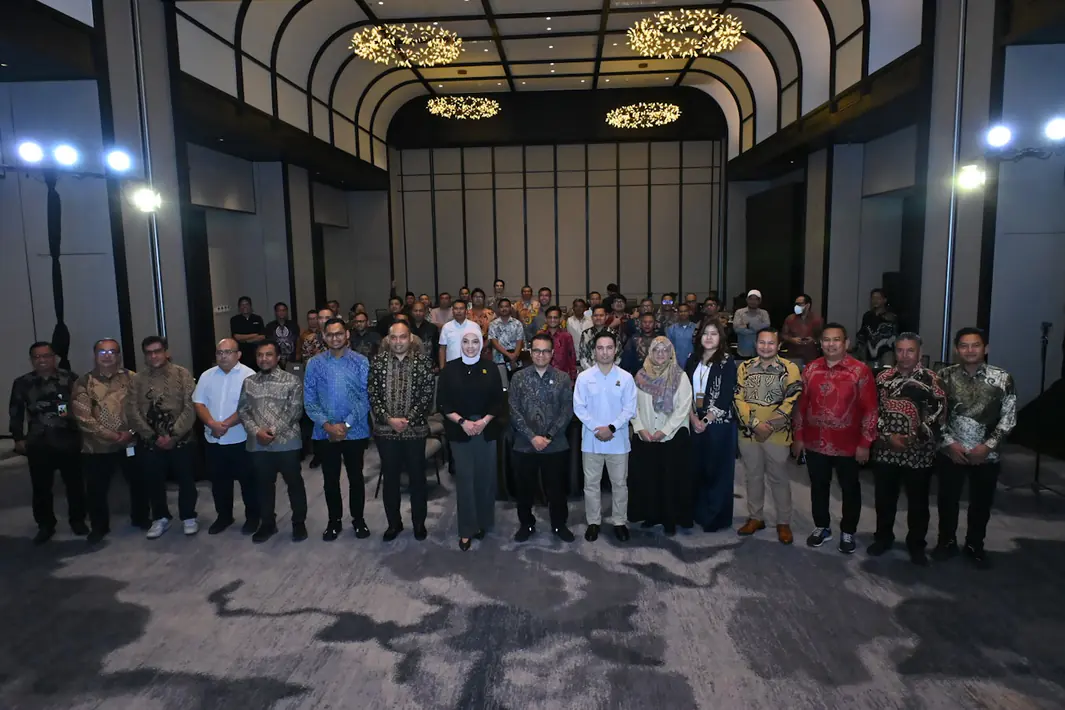
Nezar spoke on 24 November at a meeting of senior editors in Jakarta. The meeting was organized by the Aceh Oil and Gas Management Agency. The ministry, Komdigi, published his remarks the same day.
His point was simple. People used to type a question into a search engine and click a link. Now the search engine often answers the question itself. Google's AI Overviews put a summary answer at the top of the page, built from several sources. AI Mode goes further and turns search into a conversation.
Nezar described this as a move from "search and click" to "ask and answer". The contest between platforms is changing as well, he said. It used to be a race for people's attention. Now it is a race to give the most satisfying answer, with AI's help.
He then cited AMSI's research, which recorded traffic to digital media falling by up to 70% over two years. He said media began losing clicks badly once AI answers and other AI apps arrived.
What is actually new
Publishers in many countries have complained about falling search traffic. What stands out here is a government minister in Indonesia putting a figure on it in public. He also told media to change how they make money.
His advice was direct. Media built on traffic should become businesses built on loyal readers. Outlets that depend only on traffic and search engines, he warned, are very exposed to this new technology.
This matters beyond newsrooms. A ministry is telling an industry that search traffic is no longer reliable. That change reaches every business that wins customers online.
What it means for brands in Indonesia
If your brand wins customers through search, this story is about you too. Many brands win customers that way. They publish guides and product pages, and hope to rank on the first page of results.
If AI answers the question at the top of the page, fewer people click through. Ranking still matters. But a top-ranked page now matters more as a source the AI might draw on. Being named inside the answer becomes the goal.
There is a second effect. If news sites lose readers, the places where brands buy ads and earn coverage change too. Publishers may lean harder on subscriptions, newsletters and events. For brands, those can become new ways to reach a loyal audience.
What to do
- Check how much of your website traffic comes from search, and watch the trend month by month.
- Search for your main products in Google's AI answers and in chat assistants. Note whether your brand is named, and which sources the answer draws on.
- Make the facts about your products easy for AI to find and quote, from specifications and prices to answers to common questions.
- Build channels you own, such as a customer list or a WhatsApp community.
- Treat a fall in search traffic as a warning sign, and look for where those customers now find answers.
- When you plan media spending, ask publishers how their audience has changed since AI answers arrived.