
SoftBank and Grab plan $1.85 billion for AI data centers in Malaysia
SoftBank Group, Grab and Sarawak's PETROS signed agreements for two AI infrastructure projects, aiming over time for 5 gigawatts or more to serve Southeast Asia.
The short version
- SoftBank Group and Grab have signed agreements to build AI computing centers in Malaysia, with Sarawak's state energy company PETROS.
- They plan $1.85 billion (US dollars) in starting money, aiming over time for 5 gigawatts or more of computing power.
- The goal is to sell that capacity to governments and businesses of every size across Southeast Asia.
What was announced
On 9 November 2026, SoftBank Group and Grab announced joint development agreements for AI infrastructure in Malaysia. That means the buildings and chips that AI systems run on, plus the power to run them. Petroleum Sarawak Berhad, known as PETROS, is the third partner.
There are two projects.
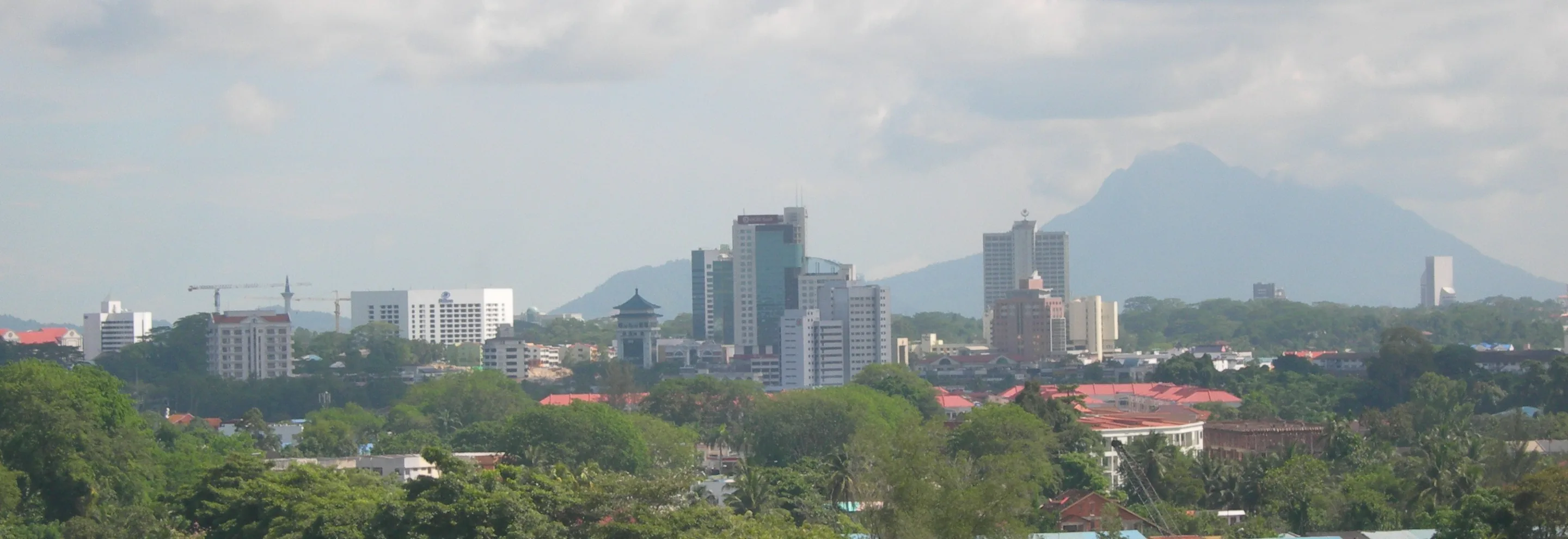
The first is in Sarawak, on the island of Borneo. It starts with $1 billion: $800 million from SoftBank, $100 million from Grab and $100 million from PETROS. SoftBank will be the majority owner. It builds on a framework agreement signed in Kuching on 8 October.
The second is in Peninsular Malaysia. It starts with $850 million: $650 million from Grab and $200 million from SoftBank. Grab will lead it and bring in long-term investors as it grows.
Together that is $1.85 billion of starting money. The long-term target across both is 5 gigawatts or more of AI computing capacity. The partners say the sites could be among the largest of their kind in Asia once fully running.
The money will flow in stages. Each stage depends on the projects hitting milestones, including signing customers. The partners will also look for more investors and for large cloud providers as customers. Some terms still depend on final agreements and approvals.
Why Southeast Asia, and why now
The release points to a usage gap. In Southeast Asia's six largest economies, the average person uses AI about one-tenth as much as an American. Regional usage is projected to grow up to 60-fold by 2030. Serving that demand from inside the region needs far more local computing power than exists today.
The partners also tie the plan to Malaysia's national AI plan for 2026 to 2030. They say the sites will follow Malaysia's renewable energy guidelines. They also say the design will cut water use and reduce reliance on local power grids.
For Grab, the release says the capacity will help it build AI tools made for local communities. Grab began in Malaysia and now operates in eight Southeast Asian countries, including Indonesia.
What it means for companies in Indonesia
Most Indonesian companies won't buy computing power from these sites directly. They will feel the effect through the AI services they already use.
More AI capacity in the region usually means faster responses and more choice about where data is stored. A large site in a neighboring country gives cloud providers another regional option. Data that must stay in Indonesia still needs a home here.
It also shows where regional AI capacity is heading. Malaysia's federal and Sarawak governments are backing the plan as part of the national AI push. That is useful context for anyone planning where their own AI workloads should run over the next few years.
The plan is early. The release lists real risks. Securing land and power is one. Finding paying customers is another. Treat the 5 gigawatt target as an ambition for now.
What to watch
- Which large cloud providers sign on as customers, since that decides who can actually use the capacity.
- Whether the first stage of money is released, which shows the milestones are being met.
- How the sites handle power and water, which will shape public support.
- Whether Indonesia answers with its own push for regional AI capacity.