
Visa's new Singapore hub is working out how AI can safely pay for you
Visa has opened six technology hubs at a new center in Singapore with more than 1,500 staff. One of them will work out how AI agents can shop and pay for customers safely.
The short version
- Visa has opened six technology hubs at a new center in Singapore, with more than 1,500 staff.
- One hub will work on how AI agents, software that shops on a customer's behalf, can pay merchants safely.
- Others cover digital money and wallets, plus security research.
What Visa announced
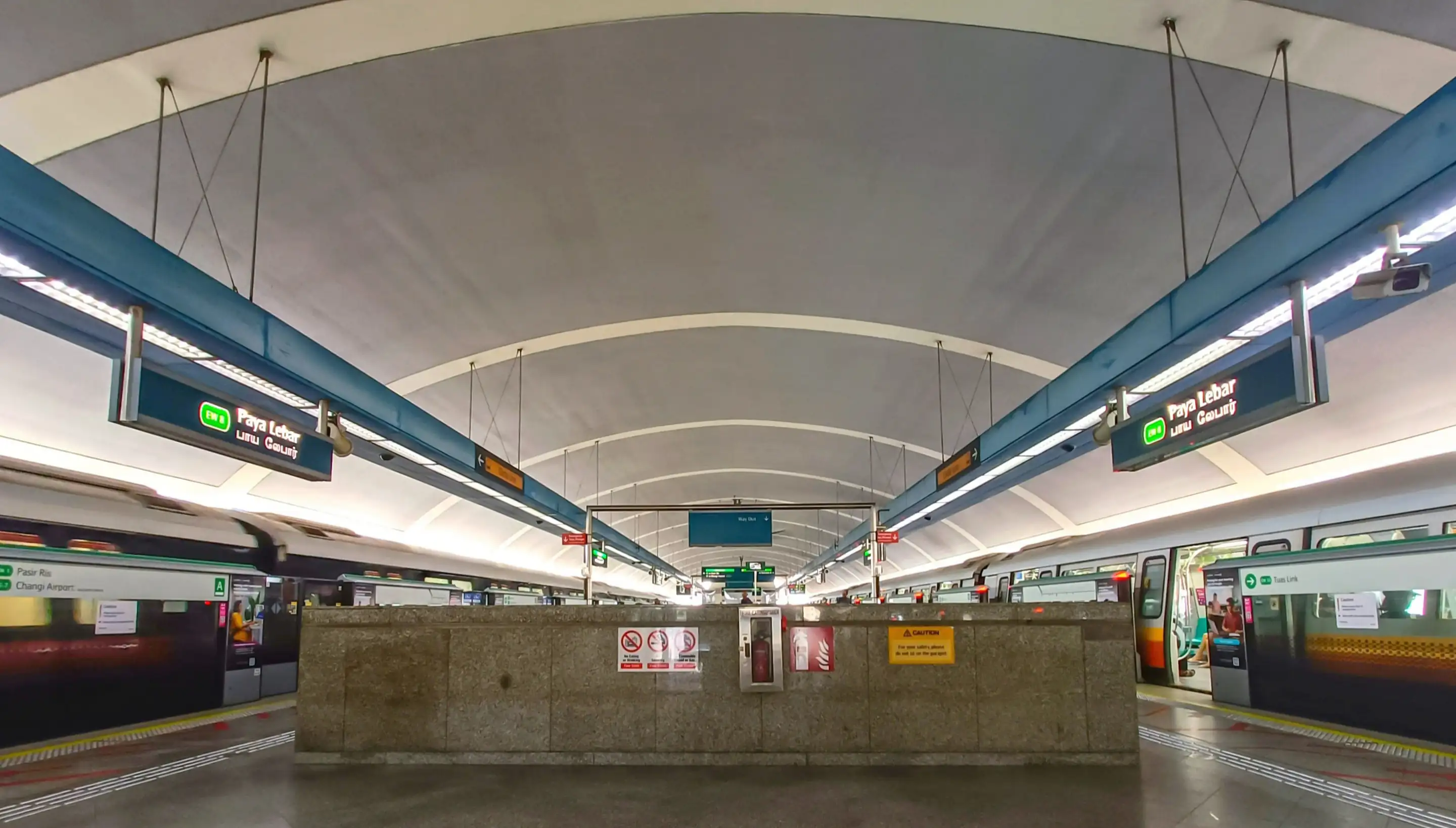
Visa announced the hubs on 5 November. They sit in its new center at Paya Lebar Green in Singapore. Visa says the work is meant for its whole global network. Rajat Taneja, Visa's president of technology, said that turning AI's promise into progress needs technology people can trust. It also plans to add more specialist research and engineering roles over time, in areas such as AI and quantum technology.
The six hubs fall into three groups:
- AI and commerce: using AI in payments, and working out how AI agents can deal securely with shops and shoppers.
- New ways to pay: research into digital money, including stablecoins, which are digital money tied to a regular currency. Another hub links digital wallets with other ways to pay.
- Trust and security: cybersecurity, plus research into how quantum computing will affect finance. That work prepares payments for a time when today's encryption may no longer be safe.
Visa will work with local partners including DBS, Nium and StraitsX. It is also part of a cross-border payments program run by Singapore's central bank, the Monetary Authority of Singapore.
Singapore's Economic Development Board welcomed the move. It said the hubs will create high-value jobs and support new financial products in areas such as agent shopping.
Why AI agents need new payment rules
Today, card payments assume a person is at the checkout. AI agents break that assumption. When software buys something for you, two parties need answers: the merchant and the bank. They need to know three things. Is the agent really yours? Did you allow this purchase? Who pays if it goes wrong?
That is the problem Visa's agent hub will work on. Visa's Asia Pacific president, Stephen Karpin, put the regional angle plainly: "Singapore is increasingly where the future of commerce is being built."
Fraud checks add another wrinkle. They are built to spot unusual behavior, and a machine buying at speed can look exactly like that.
Visa did not give a timeline for products from the hubs.
What it means for companies in Indonesia
Shopping by AI agent is coming to Southeast Asia, and the payment rules for it are being written now. Much of that work is happening next door. Regional banks and payment firms are at the table, and those that wait may have to follow rules written by others.
If you run a bank, check how your systems would treat a purchase made by a customer's AI agent. If you run a store or marketplace, check whether your checkout would let a trusted agent pay or block it as fraud.
For marketing teams, there is a further shift. If agents do more of the buying, product data that software can read starts to matter as much as ads that people see.
What to do next
- Map what happens today when a customer's AI agent tries to check out on your site or app.
- Ask your payment providers how they plan to verify purchases made by AI agents.
- Talk to your fraud team about how they would tell a trusted agent from a harmful bot.
- Watch the Singapore FinTech Festival on 18 to 20 November for Visa's next details.
- Start drafting your own rules for agent purchases. Cover spending limits and customer approval, plus who carries the risk if something goes wrong.